

West Papua Birding Tour
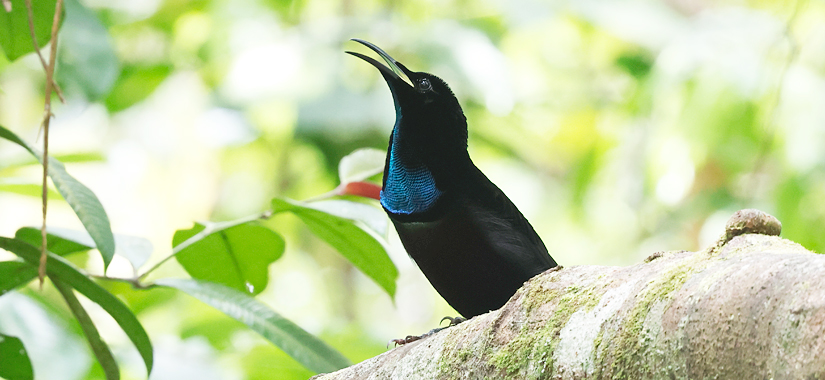
 2nd-16th August 2027: West Papua birding tour highlights include Wilson’s Bird-of-Paradise, Papuan Pitta, Magnificent Riflebird, Frilled Monarch, King Bird-of-Paradise, Papuan Frogmouth, Western Parotia, Lowland Peltops, Blyth’s Hornbill, Red-breasted Paradise Kingfisher, Magnificent Bird-of-Paradise, Western Crowned Pigeon, Masked Bowerbird, Twelve-wired Bird-of-Paradise, Vogelkop Bowerbird, Vogelkop Lophorina – £6250 per person.
Trip Details
- Dates: 2-16th August 2027
- Cost: £6250
- Single Supplement: £430
- Deposit: £700
- Tour length: 15 Days (13 days birding)
- Min/Max group size: 4 / 6
- Start/Finish: Sorong/Sorong
- Tour Type: Birding
- Photo Opps: Good
- Physical Classification: Good Mobility required
- Tour Leaders: Nick Upton & Local Guides
If you have any questions about this trip, contact us at info@calidrisbirdingtours.com
West Papua Birding
The tropical forests of the island of New Guinea, holding the near mythical Birds-of-Paradise, were an esoteric dream to most birders for much of their lifetime but these days many of these incredible birds are accessible and no more so than in West Papua, on the Indonesian part of the island. The lush lowland rainforests, mangroves, islands and even more temperate highland forest provides easier birding and access than you may have been led to believe and although some of the birds do require some effort to reach we guarantee that nobody will say it wasn’t worth it with the unreal set of birds that await us.
West Papua is where Asia becomes Australasia and this is reflected in the avifauna that not only has shared species from both continents but also a huge number of species endemic to the area, some with tiny and highly specialised global ranges. Birds-of-Paradise are the absolute standout birds here and they are a group of birds of which every birder should see at least a few representatives and this is a tour that provides some of the most incredible species at a pace and level of accessibility that most reasonably fit people can manage and enjoy. Beginning in the mangroves near Sorong we get a nice selection of birds at an easy pace before visiting the wonderful forest at Malagafuk where the highlights are too many to list. From Sorong the tour relocates to Manokwari from which the misty Arfak Mountains will be accessed with a dazzling array of birds, before returning to Sorong and a boat trip to the beautiful Waigeo Island for a relaxing but stunning end to this birding trip.
Our top priority will be obtaining the best views of the Birds-of-Paradise that are possible, particularly in seeing their display behaviour, but the wider range of species likely to be seen on this birding tour will not be overlooked. This variety includes frantic Frilled Monarchs displaying, majestic Blyth’s Hornbills gliding through the canopy, colourful fruit doves perched in the morning sun, bizarre owlet-nightjars and frogmouths, the amazing bowers of Masked & Vogelkop Bowerbirds, an amazing array of parrots along with the stunning Papuan Pitta. With an impressive supporting cast of other endemic birds this is a tour full of mind-blowing birds that should not be missed.
Day 1, Arrival in Sorong – 2nd August
Today all participants will arrive at Sorong airport and take a short transfer to a modern hotel in town. In the evening the group will have dinner together and receive a pre-trip briefing on this West Papua birding tour. A good night’s sleep in a comfortable hotel will hopefully mean that everyone can enjoy the first day of birding fully without being too tired – there should be some excellent birds to come right from the first day.
Day 2, TWA Sorong (Hutan Lidung) – Sorong Mangroves – 3rd August
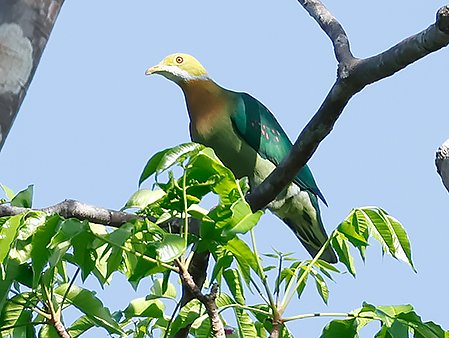
After an early breakfast at the hotel it will take us only about twenty minutes to reach this forest patch just outside the town of Sorong. Although this forest fragment is fairly small it still holds a good number of birds and is an excellent location to get to grips with many of West Papua’s forest birds. In the early morning a number of Fruit Doves perch out on prominent trees with Orange-bellied Fruit Dove being the most common but we should also be able to see a couple of very beautiful species in Pink-spotted Fruit Dove and Orange-fronted Fruit Dove, two memorable birds indeed.
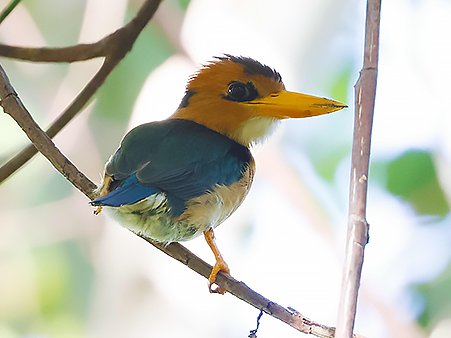
Widespread birds of West Papua that we are likely to see here for the first time include the stunning Rufous-bellied Kookaburra, raucous Papuan Eclectus, Glossy-mantled Manucode calling from exposed perches, squawking Sulphur-breasted Cockatoo to mention a few. Yellow-billed Kingfisher is more elusive, but this will be our first chance to find this tricky bird; we are likely to need more than one chance!
Birding here is along a dirt track and things get hot fairly quickly so by around 9.30-10am we plan to head back to the hotel for a break, although there are plenty of other birds we have a good chance of seeing before leaving including the magnificent Blyth’s Hornbill, Boyer’s Cuckooshrike, Black-browed Triller, Olive-crowned Flowerpecker, Double-eyed Fig Parrot and, of course, the ubiquitous Willie Wagtail.
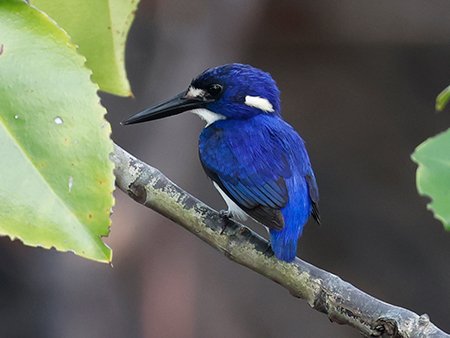
After lunch at the hotel and a cooling rest we will head out again in the late afternoon to nearby Sorong Mangroves. Here there are some really good birds to look for although it is not an easy place for birding so this is the first of two visits planned here. Emperor Fairy Wren is like a neon light in the dark mangroves while Little Kingfisher is most likely to be seen very late in the day although it can be hard to connect with this shy little gem. White-bellied Cuckooshrike should be easier to locate as it noisily flies over the mangrove canopy while Brown-backed Honeyeater will be very abundant. Blue-black Kingfisher is a prime target here but certainly not an easy one to see but the splendid Shining Flycatcher should be much simpler to find and other common birds should include Pacific Swallow and Yellow-vented Bulbul.
Towards the last hour of daylight it should be a time when a number of birds come out into the open and this late hour will be our first chance to see the attractive, but scarce, Collared Imperial Pigeon with other possibilities being the more widespread Torresian Crow, Orange-fronted Fruit Dove, Metallic Starling as well as Lesser Black Coucal all perching out in the open before going to roost, before we head back to the hotel for a shower and then dinner in preparation for a very early start on the following day.
Day 3, Malagafuk – 4th August
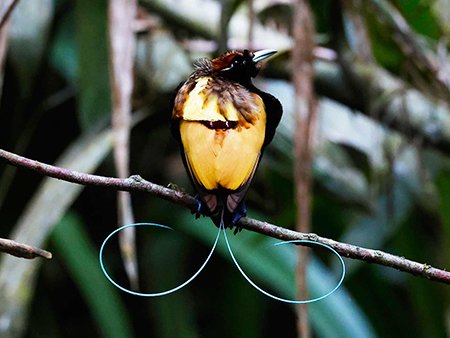
Today we will leave the hotel at around 4.30am to arrive at our appointed location, to meet local guides, for first light. The journey is around one and a half hours on a fairly new road and we hope to time things right to walk a short distance to a dancing area of Magnificent Bird-of-Paradise. This peculiar bird is a stunning sight whether it is performing for a female or just sitting, hanging out on its favourite perch and would be a wonderful way to start the day.
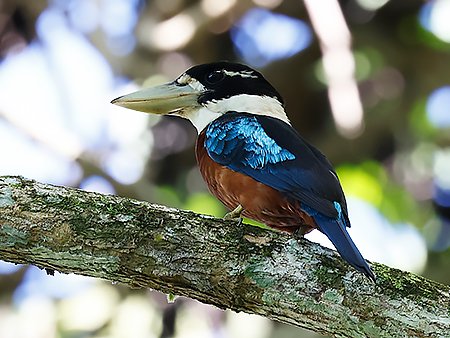
From the road there is a well-constructed boardwalk that runs through the forest for nearly three and a half kilometres which gives us access to some superb, mature forest and we will take the remainder of the morning to enjoy birding along here. The sound of the wings of the giant Blyth’s Hornbill will certainly be heard although we might have to wait until a more open area to get a good view of this impressive bird. Commoner birds here include Pinon’s Green Pigeon, Sultan’s Cuckoo Dove, Olive Flyrobin, Glossy-mantled Manucode and Brown Oriole to mention a few but there are a host of real gems to look for here.
Yellow-billed Kingfisher can be tricky to see here although it is fairly common but perhaps our time will be better spent tracking down Red-breasted Paradise-Kingfisher here and leaving Yellow-billed until later. Species such as Blue Jewel Babbler and Northern Cassowary , on the forest floor, are possible with luck if we are quiet while Frilled Monarch is more common and a very memorable bird indeed.
We will also be looking for Common Paradise-Kingfisher, Eastern Hooded Pitta, Papuan Babbler, Wompoo Fruit Dove, Collared Lory and a host of other exciting birds before reaching the settlement of Malagafuk, set in lovely gardens and surrounded by forest. We can check for birds visiting fruiting and flowering trees such as Orange-bellied Fruit Dove, Golden Myna and Large Fig Parrot and certainly there will be noisy Helmeted Friarbirds.
From the village there are a series of very muddy trails which we will explore with our local guides after lunch. Along these trails are various hotspots and stakeouts for some very special birds, but we will have to work hard through the mud but it should be worth it if we get the sort of views of King Bird-of-Paradise that we hope for. To get the best views of this bird it is necessary to climb a steep wooden ladder to a platform at “bird-level”. This will not be suitable for all participants but good views of this colourful bird will be possible from the ground too. Magnificent Riflebird calls with incredible volume and if we are lucky enough to see it dancing for a female it will be something we never forget. Both Collared and Black Lory are fairly abundant but we will need a little luck to get views fo them, although over the course of the two days we should do and if we will also look for Eastern Hooded Pitta and the stunning Papuan Pitta; with some effort and a little luck we should find both of these wonderful birds over the course of our visits.
Later in the day we will spend some time back in the gardens of Malagafuk village where there should be some good late afternoon activity with birds such as doves, parrots and parakeets all likely feeding in flowering and fruiting trees. In the late afternoon we will retrace our steps along the boardwalk, hopefully finding a few last birds for the day; it would be a good time to get lucky with one of the shyer ground-dwelling species, before making the journey back to Sorong for dinner.
Day 4, Malagafuk – 5th August
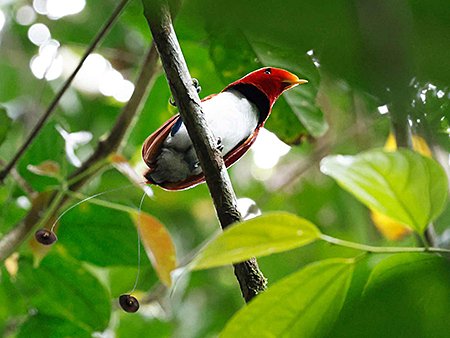
Although the previous day should have been a successful one we will do something very similar once again today so that we have time to find as many of the “star birds” of this wonderful location. On this occasion our first target, at first light, will be Twelve-wired Bird-of-Paradise which will hopefully be displaying from its favourite exposed perch shortly after we arrive, a short walk off of the boardwalk. Taking another slow walk through the forest here will give us another chance of getting lucky with some of the rarer, shy birds such as Blue Jewel Babbler or Red-billed Brush Turkey.
Other possibilities include Thick-billed Ground Dove, Beautiful Fruit Dove, Purple-tailed Imperial Pigeon, Greater Black Coucal, Blue-black Kingfisher, Rusty Mouse-warbler, Golden Cuckooshrike, Black Cicadabird and many more. Spending a second day here increases our chances of getting good views of birds as well as allowing us to revisit any of the stakeouts if we were not lucky with any of them on our first visit. We will have lunch at Malagafuk village before assessing what we would like to do in the afternoon. Perhaps we would like better views of Lesser Bird-of-Paradise which sticks to the high canopy or possibly visiting hide for Eastern Hooded Pitta. Whatever we do we will try and maximise the potential of key species here before walking out on the boardwalk again.
Day 5, Sorong to Manokwari – Transfer to Arfak Mountains – 6th August
After an early breakfast we will check out and make the short flight to the town of Manokwari where we will be met by our crew for our stay in the Arfak Mountains. A journey of around an hour and a half should see us at our first birding spot where we can look for some of the commoner species of the area such as Papuan Mountain Pigeon, Fairy Lorikeet, Wallace’s Fairywren, Long-billed Honeyeater, Rusty Mouse-Warbler, Black-bellied Cuckooshrike and Grey Crow among others before reaching our accommodation where we will have lunch.
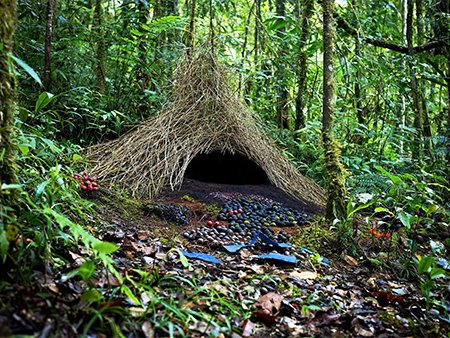
Photo by JJ Harrison (Licensed)
After lunch we will visit the display ground of one of this region’s most remarkable birds; Vogelkop Bowerbird. While it might be one of the more sombre-plumaged birds that we will be anticipating it is certainly the one that creates the most incredible structure with its bower that it uses to attract females and display to them. Using natural items such as sticks and grasses to construct something like a yurt for birds it also uses colourful items to adorn this impressive edifice. Flowers, beetles carapaces and, unfortunately, items of litter from humans are used to create a colourful carpet where the different colours are meticulously segregated in an orderly fashion. Added to this is the fact that Vogelkop Bowerbird often puts on an excellent show of mimicry. This is truly one of nature’s gems and should be something to stay in the memory for a long time.
If there are known roosting spots for Feline Owlet-Nightjar and/or Mountain Owlet-Nightjar we will visit these locations this afternoon too while more general birding can turn up species such as White-shouldered Fairywren, the splendid White-breasted Fruit Dove, Modest Tiger Parrot, Arfak Honeyeater, colourful Hooded Pitohui and many other possibilities. Birding in these forests often requires a lot of patience but by visiting different stakeouts while looking out for other species along the way we should see some exciting birds.
Day 6, Arfak Mountains – 7th August
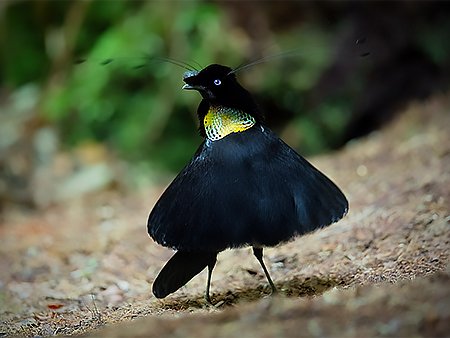
Photo by JJ Harrison (Licensed)
After breakfast we will make our way to what should be another of the standout highlights of this tour; the dancing ground of Western Parotia. The male, with its head tassels and golden throat against black plumage is striking even at rest but when it performs its dance there is nobody that can be left unimpressed, although it seems that the males have to put in quite some work perfecting their ballerina-like dance to get the attention of the females. This window into the lives of birds also provides a chance, perhaps, to see some of the ground-dwelling denizens of the forest. There are a number of possibilities but perhaps the most likely is White-striped Forest Rail.
Once we have enjoyed this incredible bird to its fullest, roadside birding will give us a chance to see a wide variety of birds such as White-eared Bronze Cuckoo, West Papuan Lorikeet, Black-eared Catbird, Marbled Honeyeater, Capped White-eye, Green-backed Robin and Grey Crow among many other possibilities.
In the afternoon, after lunch, we plan to visit another amazing bird, this one for both its fancy display ground-building qualities but most notably for its fabulous colouration. The plumage of the male Masked Bowerbird is simply stunning and hopefully we can view it building its wondrous bower with all of its adornments. We can later pick our way through some of the nectar-feeding birds such as Red-collared Myzomela, Obscure Honeyeater and Ornate Melidectes, an impressively-plumaged bird. In the late afternoon birding around the accommodation should turn up some nice views of a variety of the commoner and more-widespread species.
Day 7, Arfak Mountains – 8th August
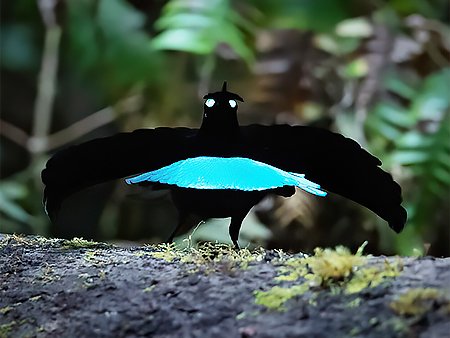
Photo by JJ Harrison (Licensed)
Today we are hoping that the locals have found the dancing ground of yet another incredible bird: Vogelkop Lophorina. The comical dance of this bird is yet another of those amazing spectacles that the island of New Guinea reveals to a lucky few that make the effort to get to this remote location. We should be able to see this species feeding on fruits but it cannot be gauaranteed that we will see its performance; fingers crossed! If we have not already seen it we can visit a dancing ground of Magnificent Bird-of-Paradise, which will be worth another look even have we have seen it previously while much of the day can be spent looking for a wider range of species such as the wonderfully-named Goldenface, Black-breasted Boatbill, Canary Flyrobin, West Papuan Lorikeet and Arfak Honeyeater to mention a few.
Depending on local knowledge at the time we can try to track down difficult birds such as Wattled Brushturkey or Spotted Jewel-babbler, although we will need some luck for such birds but there is usually something good that is known to the local guides such as a day roost for an Owlet-Nightjar or a fruiting tree full of birds. Species such as Mountain Peltops, Tit Berrypecker, Long-tailed Paradigalla and Hooded Pitohui are all regularly seen in this area and will be high on our wish-list while birds such as Black Fantail, Fan-tailed Monarch, Green-backed Robin, Blue-grey Robin and Sclater’s Whistler should be easier to find; hopefully Friendly Fantail lives up to its name.
Day 8, Arfak Mountains – Manokwari – 9th August
We can spend most of the day birding in the Arfak Mountains once again. If we did not connect with any of the main target species as desired we can try again or simply revisit one of the hides to enjoy something for a second time, particularly if afternoon rain showers have slowed things down.
Roadside birding will give us another chance to see some of the more abundant species of the area such as Black-billed Cuckoo-Dove, Rufescent Imperial Pigeon, Red-breasted Pygmy Parrot and many others. Whatever we decide to do we will make a decision based on what we think will produce the best results to add to the number of high-quality birds that we have seen. Later in the day we will make the drive back to the town of Manokwari where we will stay in a much-appreciated comfortable hotel for the night.
Day 9, Manokwari – Sorong – 10th August
After a good night’s rest we will make the short journey to Manokwari airport from which we will take a mid-morning flight back to Sorong where we should arrive around the right time to check in at our hotel where we can have lunch and a break before birding in the afternoon.
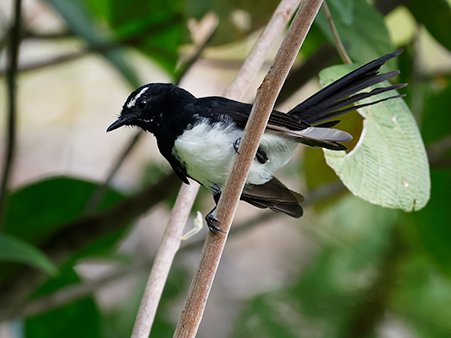
In the afternoon we have another opportunity to visit the mangroves just outside of Sorong where some of the target birds can be tricky to see and require the right timing so that another late afternoon visit should out us in the right place to find several more key species. We will be hoping to see the smart Collared Imperial Pigeon perched in the open as it rests on exposed perches before going to roost and if we are lucky maybe we can find Blue-fronted Fig Parrot getting a late afternoon feed. This is also another chance to find tricky birds such as Little Kingfisher, Blue-black Kingfisher, Emperor Fairy Wren and Rusty Pitohui. We will certainly see plenty of Willie Wagtails again here and open-country birds such as Torresian Crow and Metallic Starling should also be in evidence.
Day 10, Pipa Forest – Waigeo – 11th August
This morning we can take a short drive to nearby Pipa Forest where we can look for some of the more widespread species that we might not have seen by now. Early morning is good for doves and pigeons perched out in the morning with species including Zoe’s Imperial Pigeon, Beautiful Fruit Dove and Dwarf Fruit Dove; hopefully our luck will be in. There’s another chance to admire birds such as Pink-spotted Fruit Dove and another chance at birds like Red-breasted Paradise-Kingfisher, Yellow-capped Pygmy Parrot, Double-eyed Fig Parrot and Black Lory should they have eluded us before. Other birds here include Grey-headed Cicadabird, the superb Golden Cuckooshrike and Golden Monarch.
By mid-morning we will head back to the hotel to pack, take a shower and prepare for the boat crossing to Waigeo Island. We will take the “VIP’ tickets on the express boat which takes about two hours. Getting out onto deck is rather difficult but if you are athletic you might be able to get out to look for some seabirds; Streaked Shearwater is often seen.
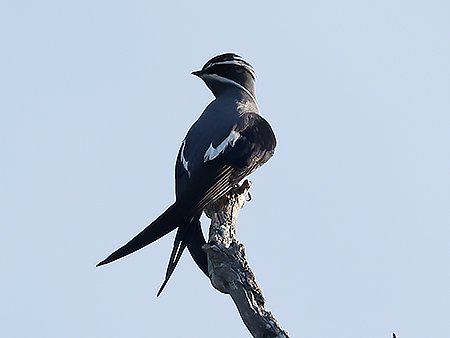
On reaching Waigeo Island we will be met at the ferry terminal and drive to our accommodation, stopping along the way to enjoy Moustached Treeswift. At the accommodation we are likely to see large numbers of Lesser Frigatebirds heading to roost and we should have time to see a few birds such as Hooded Butcherbird, Claret-breasted Fruit Dove or Beach Kingfisher before we have dinner.
After dinner we can try some night birding around the gardens of our accommodation; the impressive Papuan Frogmouth can often be found sitting on roadside wires after it becomes dark and we have a good chance of locating Papuan Boobook by listening out for its call. We can also try to lure in Marbled Frogmouth using call playback as it can be a very reactive bird if there is one close by.
Day 11, Waigeo – 12th August
We will have breakfast and leave before first light to head to a stakeout for Wilson’s Bird-of-Paradise today. Such is their abundance that we are likely to see Papuan Frogmouth on roadside wires along the way if we did not see it on the previous evening. However, the main aim is to watch Wilson’s Bird-of-Paradie at close quarters so we will ensure that we have plenty of time to get to the right place. We will use up-to-date local knowledge to select which stakeout to visit but hopefully we can use one of the locations that does not require a long walk, but if these are not active at the time we may be forced to take a longer hike through the forest. Watching this amazing bird consists of walking down a trail to a hide, with seating in it, before it gets light and waiting for the male to appear and dance to entrance any females in the area.
After enjoying this performance to the full we will continue by doing some birding in the vicinity of the hide with species such as Shining Flycatcher, Rufous-bellied Kookaburra, Olive Flyrobin, Brown Oriole and Green-backed Gerygone all likely and species such as Ruby-throated Myzomela and Spotted Honeyeater are always likely wherever there are small flowers in the treetops. Anywhere we are birding on Waigeo we are likely to come across Papuan Eclectus, with the stunning red female being particularly memorable and Blyth’s Hornbill is another impressive bird that can show up at any time here.
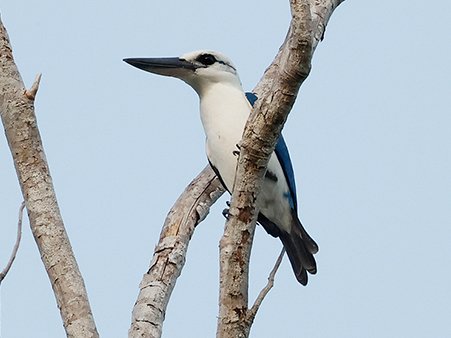
As the morning becomes hotter, towards lunchtime, we will make a stop at airport bay where exposed mud should provide a slight change of pace for us and a few wading birds such as Pacific Golden Plover, Eurasian Whimbrel and perhaps a Grey-tailed Tattler or two but this is also an excellent place to catch up with Beach Kingfisher, a really crisp looking bird and, of course, you are never far away from a Willie Wagtail in this part of Indonesia. By this time it is likely to be very hot and so we will go back to our accommodation on the beach for a break and lunch.
In the late afternoon we can go out again, birding along a very quiet road through the forest interior of the island where we hope to locate the extremely smart Lowland Peltops perched out in the open as it hunts for insect prey. The late afternoon light is very nice for photography with Claret-breasted Fruit Dove, Pinon’s Green Pigeon and Sulphur-crested Cockatoo all likely to present nice subjects but other species we hope to locate include Brown-headed Crow, Superb Fruit Dove and the tricky-to-see Yellow-billed Kingfisher which is actually fairly abundant in the right habitat.
As the day grows cooler more birds become active and this is a good time to get lucky with the splendid Palm Cockatoo. This is by no means a common bird but by maximising our time in the right areas over our time on Waigeo Island we have a good chance of getting lucky with this memorable bird before heading back to our accommodation for a well-earned shower before dinner.
Day 12, Waigeo – 13th August
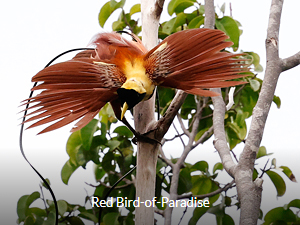
Once again we have an early start, this time to get ourselves to the right spot for another key species: Red Bird-of-Paradise. This involves a walk of around one kilometre up a well-maintained uphill trail. Walking sticks are available at the start of the trail for those that might need this help but the walk is not especially stiff, but tiring enough in the early morning. However, a sturdy staircase allows us to access a very well built tower hide which puts us at eye-level with the Red Bird-of-Paradise’s favourite display trees. We should not have to wait long to hear the call of this very special bird and when it emerges to do its weird dance on an exposed branch it is yet another moment to remember.
While many of the other Birds-of-Paradise that we will have seen on this trip are perhaps even more amazing, Red Bird-of-Paradise looks like one of the species many of us would have been introduced to in picture books when we were younger and as such this bird is likely to evoke long-harboured desires to see such birds.
Birding along a trail in the forest in this area is also a good spot to get lucky with the ground-feeding Dusky Megapode, lurking in the shadows while Common Paradise-Kingfisher can be found in the mid-storey of the forest. Small birds sometimes form small feeding flocks in this area and with smart birds such as Black Berrypecker, Golden Monarch, Frilled Monarch and Yellow-breasted Boatbill to find we will want to spend the time to inspect these feeding flocks when we encounter them. If we haven’t already seen it, we can try again to find Yellow-billed Kingfisher while we enjoy the various other birds we encounter along the way. We can continue the forest birding all morning and again make a brief stop at Airport Bay on our way back to the accommodation for lunch and a break from the midday heat.
Again, in the late afternoon we can continue our birding adventure on Waigeo Island visiting a variety of spots within driving distance of the accommodation. There are species such as Little Bronze Cuckoo, Purple-tailed Imperial Pigeon, Spot-winged Monarch, Great Cuckoo Dove and Variable Goshawk to look for but hopefully we can end the day with a real showstopper in Papuan Pitta which we hope will come to a feeding station in the late afternoon. Back at our accommodation we will wait for dusk to see if Hook-billed Kingfishers call, as they frequently do, giving us a chance to find this difficult bird before searching for Papuan and/or Marbled Frogmouths if we have not already seen them.
Day 13, Waigeo – 14th August
This morning we will visit an area where we hope to see the incredible Western Crowned Pigeon. This bird spends a lot of its time feeding on the ground as it quite shy so we need to be quiet and vigilant. However, if this tactic doesn’t work we sometimes have to create a bit of disturbance to make them move into view! There are several stakeouts for Wilson’s Bird-of-Paradise so we can visit another one of these if we want more views of this incredible bird or if something went wrong on the previous visit.
There are also places to check around the island for Singing Starling, Spotted Whistling Duck, Radjah Shelduck and not to forget the endemic Raja Ampat Pitohui, a smart little bird that is by no means easy to locate. Much of this day will be devoted to using local knowledge to find any species that we are missing at this point.
Day 14, Waigeo – Sorong – 15th August
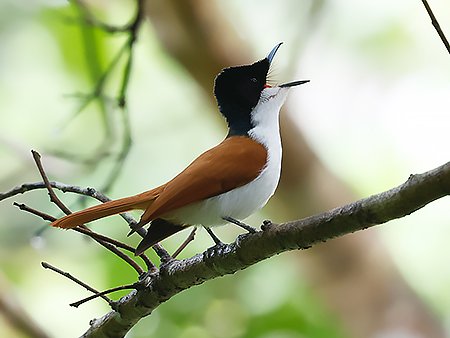
We can spend the whole morning birding again. If we need to revisit one of the hides today we can do that, if we are still looking for a difficult target bird we have the time to look for it this morning, alternatively, we can spend time close to the accommodation just making the most of the photographic opportunities of birds such as Moustached Treeswift, Beach Kingfisher, Papuan Eclectus, Claret-breasted Fruit Dove, Shining Flycatcher, Black Sunbird, Sulphur-crested Cockatoo and many others, this is a good area for bird abundance and photographing many of the commoner birds.
If we are still looking for any of the nocturnal birds, we can get up early this morning and make a last attempt at finding them.
After lunch at the accommodation we will take the afternoon boat back to Sorong and then transfer to a comfortable hotel for our final dinner together, discuss the best birds of the trip to conclude this West Papua birding tour and prepare for our flights home or look forward to the extension to Biak Island to follow.
Day 15, Departure – 16th August
A short taxi ride will take everyone to Sorong airport at a time convenient to your onward flights.
The list below contains many of the key species that we have a good chance of seeing based on the experience of previous visits. It is not an exhaustive list of target birds but they are all notable for the memories they create or for being range-restricted. Of course we cannot guarantee that we will see them all but we do expect to locate a high proportion of them. Forest birds can be hard to observe after all.
- Dusky Scrubfowl – Megapodius freycinet
- Marbled Frogmouth – Podargus ocellatus
- Papuan Frogmouth – Podargus papuensis
- Feline Owlet-Nightjar – Aegotheles insignis
- Channel-billed Cuckoo – Scythrops novaehollandiae
- Thick-billed Ground Pigeon – Trugon terrestris
- Western Crowned Pigeon – Goura cristata
- Spice Imperial Pigeon – Ducula myristicivora
- Collared Imperial Pigeon – Ducula mullerii
- Beautiful Fruit Dove – Ptilinopus pulchellus
- Pacific Baza – Aviceda subcristata
- Papuan Boobook – Ninox theomacha
- Blyth’s Hornbill – Rhyticeros plicatus
- Red-breasted Paradise Kingfisher – Tanysiptera nympha
- Blue-black Kingfisher – Todiramphus nigrocyaneus
- Beach Kingfisher – Todiramphus saurophaga
- Yellow-billed Kingfisher – Syma torotoro
- Papuan Dwarf Kingfisher – Ceyx solitarius
- Palm Cockatoo – Probosciger aterrimus
- Pesquet’s Parrot – Psittrichas fulgidus
- Red-breasted Pygmy Parrot – Micropsitta bruijnii
- Papuan Eclectus – Eclectus polychloros
- West Papuan Lorikeet – Charmosyna papou
- Black Lory – Chalcopsitta atra
- Blue-fronted Fig Parrot – Cyclopsitta gulielmitertii
- Papuan Pitta – Erythropitta macklotii
- Eastern Hooded Pitta – Pitta novaeguineae
- Vogelkop Bowerbird – Amblyornis inornata
- Masked Bowerbird – Sericulus aureus
- Emperor Fairy Wren – Malurus cyanocephalus
- Papuan Babbler – Garritornis isidorei
- Spotted Jewel Babbler – Ptilorrhoa leucosticta
- Blue Jewel Babbler – Ptilorrhoa caerulescens
- Black-breasted Boatbill – Machaerirhynchus nigripectus
- Lowland Peltops – Peltops blainvillii
- Mountain Peltops – Peltops montanus
- Golden Cuckooshrike – Campochaera sloetii
- Waigeo Shrikethrush – Colluricincla affinis
- Golden Monarch – Carterornis chrysomela
- Frilled Monarch – Arses telescopthalmus
- Western Parotia – Parotia sefilata
- Vogelkop Lophorina – Lophorina superba
- Magnificent Riflebird – Ptiloris magnificus
- Magnificent Bird-of-Paradise – Diphyllodes magnificus
- Wilson’s Bird-of-Paradise – Diphyllodes respublica
- King Bird-of-Paradise – Cicinnurus regius
- Twelve-wired Bird-of-Paradise – Seleucidis melanoleucus
- Lesser Bird-of-Paradise – Paradisaea minor
- Red Bird-of-Paradise – Paradisaea rubra
- Golden Myna – Mino anais
The map below shows the main locations visited on our route on this West Papua birding tour. There will be quite a few stops, particularly in the Arfak Mountains and Waigeo Island, that are not indictated here as the map would become too congested, instead we list the main locations.
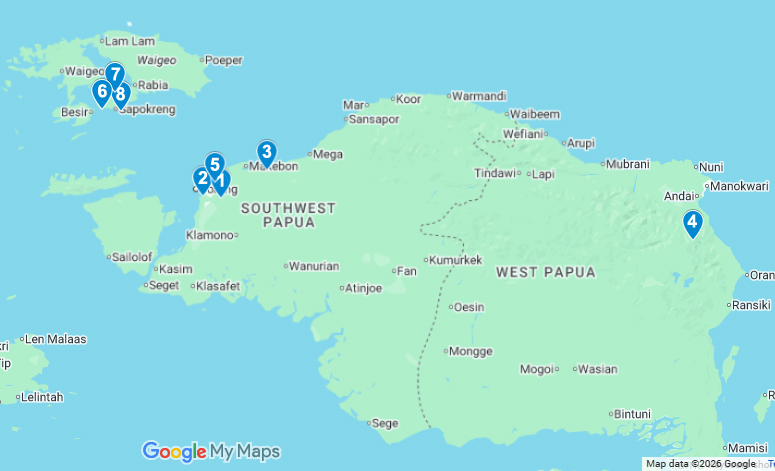
1. TWA Forest
5. Pipa Forest
2. Sorong Mangroves
6. Raflow Resort
3. Malagafuk
7. Warkesi Forest Park
4. Arfak Mountains
8. Airport Bay
The following is a selection of the birds of West Papua seen on previous visits to the locations on this tour.
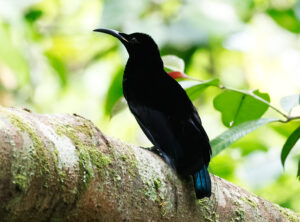
Magnificent Riflebird 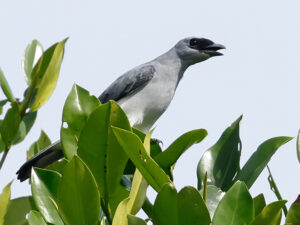
White-bellied Cuckooshrike 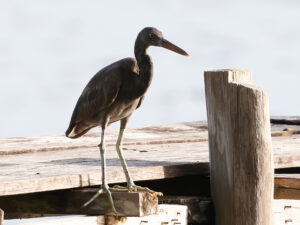
Pacific Reef Heron 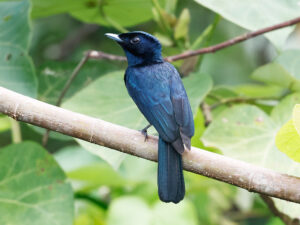
Shining Flycatcher 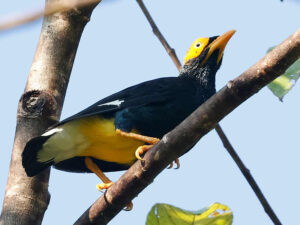
Yellow-faced Myna 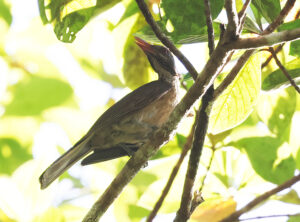
Brown Oriole 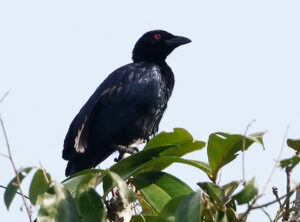
Glossy-mantled Manucode 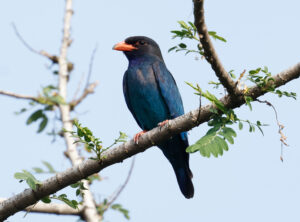
Dollarbird 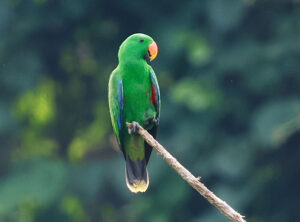
Papuan Eclectus 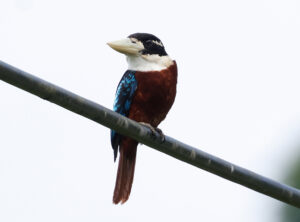
Rufous-bellied Kookaburra 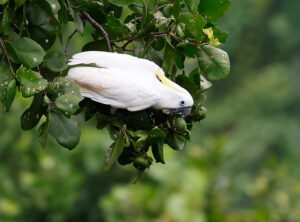
Sulphur-crested Cockatoo 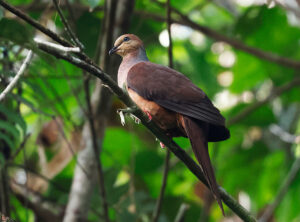
Sultan’s Cuckoo Dove
All above photographs copyright Nick Upton/Calidris Birding Tours.
Tour Details
Tour Cost: £6250 per person
Single Supplement: £430
Included in the tour cost: Transport including boats, internal flights, road tolls, national park entry fees, accommodation including on the night of arrival and on the final night, hide fees, all meals, bottled water, services of local birding guides, ranger fees and Calidris Birding Tours guide.
Not included in the tour cost: International flights, airport transfers to/from Sorong airport, travel insurance, visa, alcoholic and soft drinks, tips, laundry, excess baggage fees, hotel mini bar, phone calls and any other items of a personal nature. There have been rumours that camera fees may be introduced at some locations; these fees will not be included in the tour cost should that happen.
Accommodation: Accommodation ranges from comfortable hotels within towns at Sorong and Monokwari, a pleasant beach resort on Waigeo island to a simple birding lodge at the Arfak Mountains where there are shared toilets. Wifi is good at the accommodations at Sorong, Manokwari and Waigeo but not available at Arfak.
Physical effort: A good level of mobility is definitely essential as is the ability to walk for long periods. This birding tour has been designed to make birding in a part of the world, that is famed for being tough, as easy as it can be. Birding around Sorong and on Waigeo Island is fairly easy, walking mostly along quiet roads and tracks, with some walks on well-defined trails, for lengths of 500m to 1km, to get to the hides for Birds-of-Paradise. Walking at Malagafuk is easy enough for 3.5kms along a well-maintained boardwalk but from the end of the boardwalk muddy trails need to be negotiated to see some of the most incredible birds, although the distances covered are not huge, muddy trails make walking tiring. At the Arfak Mountains there is more hiking required to get to some of the birding hotspots and here the ability to walk on forest trails, up and downhill, is required. We have tried to design the tour at a pace and structure that allows for some periods of rest.
Weather: In lowland habitats expect hot and humid conditions for much of the day, with cooler nights, while at higher altitude, in the Arfak Mountains, weather can be variable at all times with temperatures being quite chilly at times, particularly if there is cloud. Although rain is unlikely to be pervasive in tropical locations such as this there can be showers/storms at any time, particularly afternoon showers in the Arfak mountains.
Food: Fresh, local food is provided at all locations and is usually tasty but not spicy. Chicken and freshly-caught fish usually provide the basis for most meals with rice, vegetables and, frequently, tofu and tempe (a soya-based product). Catering to vegetarians and vegans is not a problem at all here and food allergies can be catered for, but please inform us during the booking process of these.


Tour Leaders

Nick Upton
Nick Upton has been birding since the age of seven and leading birding tours full-time since 2007. After travelling extensively in Asia he settled in Thailand in 1997, teaching English and science while establishing thaibirding.com. With a BSc (Hons) Wildlife & Countryside Conservation he is well placed to understand the ecology and conservation issues that affect birds as well as being adept at finding them.
Nick is co-founder/director of Calidris Birding Tours.
While every effort will be made to adhere to the advertised itinerary of this West Papua birding tour, we reserve the right to make changes in the case of unforeseen circumstances that are beyond our control. These include problems with accessibility, national park closures, unseasonal weather events or any other reason that may demand an itinerary change or change of guide.
Recommended Field Guide
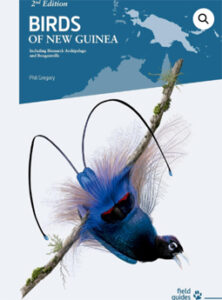 Birds of New Guinea
In 2025 Lynx Edicions published the second edition of their dedicated guide to the Birds of New Guinea. This field guide contains all of the species that we can potentially see on this West Papua birding tour. We recommend that all participants on this tour obtain a copy of this field guide before the trip to become familiar with the bird families and many of the species to be seen.
The checklist that Calidris Birding Tours will issue for this trip will use IOC taxonomy with reference to the taxonomy used within this field guide. It is worth noting that Lynx Edicions field guide to the Birds of the Indonesian Archipelago does not cover the Indonesian section of Papua while this field guide does.
Read our full review of the book here – Birds of New Guinea.
Trip Reports
Videos
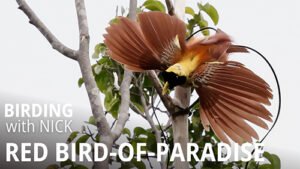
Dance of the Red Bird-of-Paradise
Watch a spectacular Red Bird-of-Paradise, Paradisaea rubra, as it performs its mesmerizing courtship display in the canopy of the forest on Waigeo Island, West Papua. With vibrant red plumage, dramatic movements, and an elaborate performance, this remarkable bird offers a glimpse into one of nature’s most extraordinary displays.
Watch the video – Red Bird-of-Paradise.
Photo Galleries
Related Birding Blog Posts
Terms and conditions: Please read the full Calidris Birding Tours terms and conditions which apply to the West Papua Birding Tour.