

Peninsula Malaysia Trip Report September 2025
Tour Leaders: Wich’yanan Limparungpatthanakij & Shahrool Anuar
Dates: 6th – 17th September 2025
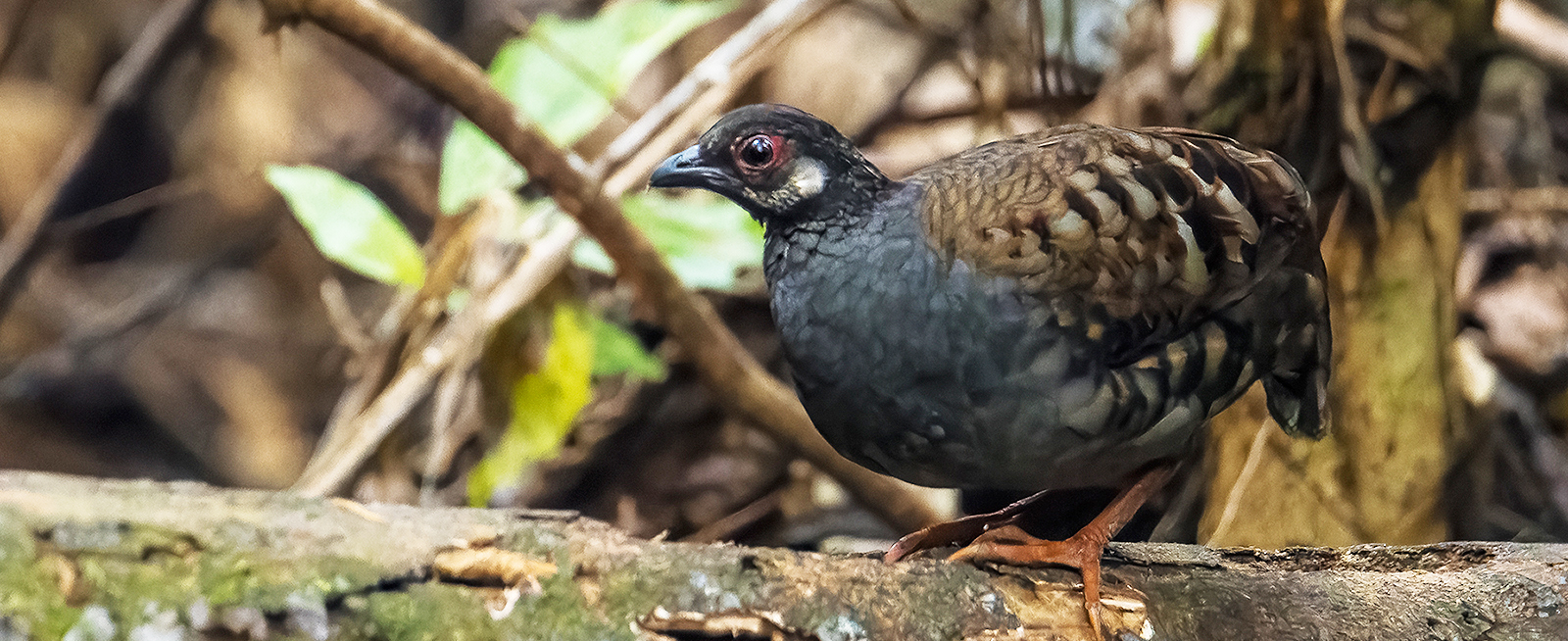
Peninsula Malaysia Birding Trip Highlights: This list represents species that were exciting or of interest to the group due to their rarity, visual impact, notable behaviour, quality of the view, difficulty in observing or were highly anticipated due to some personal reason.
- Malayan Partridge
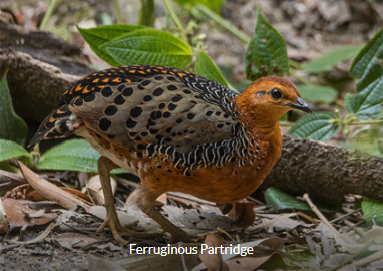
- Ferruginous Partridge
- Great Argus
- Malayan Peacock Pheasant
- Mountain Peacock Pheasant
- Malayan Crested Fireback
- Large Frogmouth
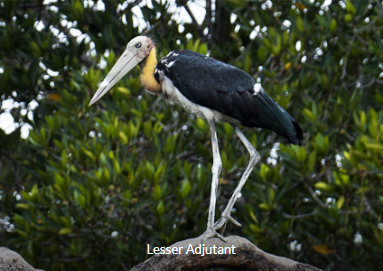
- Lesser Adjutant
- Dusky Eagle Owl
- Buffy Fish Owl
- Red-naped Trogon
- Scarlet-rumped Trogon
- Red-headed Trogon
- Black Hornbill
- Red-bearded Bee-eater
- Rufous-backed Dwarf Kingfisher
- Banded Kingfisher
- Rufous-collared Kingfisher
- Fire-tufted Barbet
- Yellow-crowned Barbet
- Grey-and-buff Woodpecker
- Buff-necked Woodpecker
- Checker-throated Woodpecker
- Great Slaty Woodpecker
- Black-thighed Falconet
- Long-tailed Parakeet
- Green Broadbill
- Long-tailed Broadbill
- Black-and-red Broadbill
- Garnet Pitta
- Rusty-naped Pitta
- Pygmy Cupwing
- Black Laughingthrush
- Malayan Laughingthrush
- Silver-eared Mesia
- Chestnut-capped Laughingthrush
- Blue Nuthatch
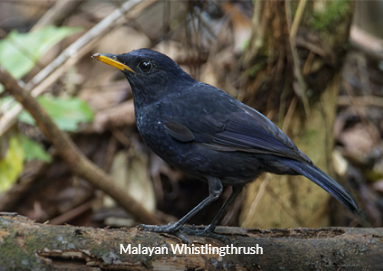
- Malayan Whistlingthrush
- Chestnut-capped Laughingthrush
- Temminck’s Sunbird
- Pin-tailed Parrotfinch
Summary:
The above list of quality birds showcases the wealth of bird life that exists in Peninsula Malaysia but does not illustrate being immersed in some of the oldest rainforest in the world in which many of them were seen. A good proportion of the target species were seen well and there were a few surprises along the way too. Beginning in Kuala Lumpur we started with a nice introduction to Malaysia’s birds at Shah Alam Botanical Gardens where we were able to get to grips with a variety of forest birds including the only sightings of the tour of the attractive Long-tailed Parakeet. From here we travelled north and visited the coastal mangroves at Sungai Buloh and Kuala Selangor where Mangrove Blue Flycatcher provided colour and Lesser Adjutant was a spectacle. Moving inland and uphill Fraser’s Hill is always a pleasure with a dazzling array on Malayan Peninsula endemics with the pick of the bunch perhaps being Malayan Partridge but the mre widespread Fire-tufted Barbet is unlikely to be forgotten any time soon. Moving into the lowlands we spent a morning at Krau with many small birds visiting a feeding station before visiting the incredible Taman Negara where some of the best birds of the trip were seen; who can choose between Garnet Pitta or Malayan Peacock Pheasant? Heading back into the highlands the feeding station at Bukit Tinggi gave us a grand finale of the magnificent Ferruginous Partridge before a final birding stop at Karang Botanical Gardens and then a return to Kuala Lumpur airport.
Join us on our next birding tour to Peninsula Malaysia. See the full itinerary and book here – Peninsula Malaysia Birding Tour.
Field Guide
Birds of Malaysia by Chong Leong Phuan, Geoffrey Davison & Kim Chye Lim, published by Lynx. This excellent field guide comes in a water resistant cover and fits neatly into luggage. Unfortunately the current edition is out of print although there are a few copies available on online market places. The checklist used was based on IOC and eBird taxonomy with reference to names used within this field guide.
Day 1; 6th September – Arrival Kual Lumpur
All members of the tour group assembled at the airport hotel in which we were staying on the first night, highly anticipating the first day of the tour. Dinner was full of expectation and excitement for what the tour would hold and it would not disappoint.
Day 2; 7th September – Shah Alam Botanical Gardens – Sungai Buloh – Tanjung Karang Paddyfields
After the hotel’s early breakfast we met Shahrool, our local guide, to undertake a forty five minute journey to Shah Alam Botanical Gardens. This sunny morning served as a nice introduction to Malaysian birds. At this location we started with nice views of Long-tailed Parakeet, perched atop exposed branches, as well as tiny Blue-crowned Hanging Parrots, stunning Black-and-yellow Broadbill, our first Raffles’s Malkoha, smart little Black-thighed Falconet, both colour morphs of Changeable Hawk Eagle, Brown-backed Needletails swooping overhead, handsome Blue-throated Bee-eater, Sooty Barbet, our first woodpecker in Common Flameback and Black-winged Flycatcher-shrike. It was quite surprising to see a few Golden-fronted Leafbirds which may have established a feral population. Apart from birds we also saw endangered primates like White-handed Gibbon, Dusky Langur and Long-tailed macaque in this garden.
After a good lunch at Secret Recipe, a Malaysian chain restaurant that offers a great selection and variety of food and drink, that we would come to rely upon throughout the trip, we travelled to Kuala Selangor. As we were approaching our accommodation, De Palma Resort, it was interesting to see the restricted-range Selangor Silvery Langur roaming the town alongside the common Long-tailed Macaque!
After checking in and resting for a while we were off for birding in Sungai Buloh mangrove forests where there is a large heronry full of Black-crowned Night Herons, Little Egret, Eastern Cattle Egrets, Great Egret, Grey Herons, Painted Storks and a good number of Lesser Adjutants. Shahrool contacted a local boatman to take us further to the river delta where we saw this impressive bird in greater numbers along the way. We also enjoyed close encounters with an active Smooth-coated Otter pack and a huge Water Monitor swimming by as well as a Little Bronze Cuckoo perched in a mangrove tree. After getting back to land we walked along the ditch on the edge of the mangroves, picking up Rufous Woodpecker, Chestnut Munia, Lineated Barbet, Blue-tailed Bee-eater, Purple Heron and White-breasted Waterhen and several other species that we would not see in the forested habitats we would focus upon afterwards.
Despite being the first day of the tour after long flights, everyone agreed upon looking for nocturnal birds. Shahrool led us to Tanjung Karang paddyfields where he had productive sessions in the past. We birded along the road, which was busier than expected as it was a holiday, and a few of us saw a Dusky Eagle Owl before it flew away. As it was only day one we did not push the nocturnal birding too long and called it a night after a sighting of Large-tailed Nightjar.
Day 3, 8th September – Kuala Selangor – Fraser’s Hill
We woke up early to have breakfast at the hotel before checking out. A fruiting fig tree close to the hotel was worth a look before leaving and in this we saw numerous Coppersmith Barbets, Asian Glossy Starlings, Yellow-vented Bulbul and lovely Pink-necked Green Pigeons. An Oriental Dollarbird was also in the hotel garden and a Pied Triller was the first addition to the trip list for the day before leaving.
Along the way to Kuala Selangor mangrove forest we stopped the vehicle to have a close look at Oriental Pied Hornbill on the roadside. Moving along we spent the entire remainder of this sunny morning birding in the mangrove forest where we had to watch out for some aggressive Long-tailed Macaques. Here the group enjoyed great views of the range-restricted Mangrove Blue Flycatcher. As we moved through the mangroves we picked up plenty of good birds including Ruby-cheeked Sunbird, the diminutive Sunda Pygmy Woodpecker, Laced Woodpecker, a secretive Blue-eared Kingfisher, the impressive Stork-billed Kingfisher and White-bellied Sea Eagle overhead. Mangrove Whistler might not be the most impressive bird but as a mangrove specialist this was the place to find one and we were successful in this as well as seeing several Ashy Tailorbirds. Smooth-coated Otter performed for us again and we also saw many Selangor Silvery Langurs. We left this site as bird activity started to subside, have lunch and then travel to Fraser’s Hill.
On arrival at Windham Shazam Inn, Long-tailed Sibia was the first montane species that greeted us in front of the hotel. After a short break we went straight to some feeding stations which yielded some excellent birds in Malayan Partridge and Malayan Whistlingthrush. A juvenile Rusty-naped Pitta also showed well at a stakeout alongside some other nice birds; Lesser Shortwing, Rufous-browed Flycatcher, Large Niltava and Buff-breasted Babbler while Max’s Short-tailed Gymnure was a nice additional to the mammal list but we had to retreat when a heavy downpour put an early end to the day.
Day 4, 9th September – Fraser’s Hill
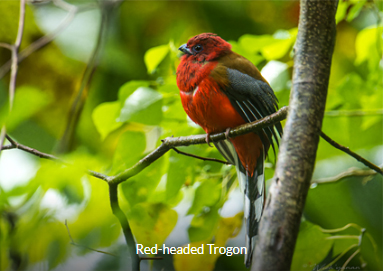
After breakfast we enjoyed Chestnut-capped Laughingthrush showed well in front of the hotel. We met with Durai, a local guide, who also runs Fraser’s Nature Mart, who took us to look for more avian specialities. At the first stakeout at Jalan Valley we enjoyed a good view of Hill Blue Flycatcher and a few other species already seen on the previous afternoon. A noisy group of Siamangs, the largest gibbon species, also made an appearance at the same time as the presence of a busy mixed-species flock consisting of some great birds including Red-headed Trogon, lesser Racket-tailed Drongos and Greater Yellownape as well as a supporting cast of Hume’s White-eye and Mountain Fulvetta. Little and Streaked Spiderhunters also showed up to feed on nearby flowers before we moved on to another feeding station where we got superb views of the stunning Silver-eared Mesia; a bird that one never grows tired of seeing. Blue-winged Minla and Mountain Bulbul also attended and a Black-browed Barbet gave us nice views as it excavated a cavity in a bare tree nearby.
We continued our birding around the former Jelai Highland Resort where we heard Malayan Laughingthrush and had a good view of the improbable Fire-tufted Barbet for the first time, a bird that would feature in the best bird of the trip vote at the end of the tour. We travelled further to bird on the roadside between Sebelah Istana Campsite and Taman Awam, yielding Fire-breasted Flowerpecker and the restricted-range Malayan Cuckooshrike, the least colourful bird species endemic to the Thai-Malay peninsula. The viewpoint nearby provided eye-level views of the canopy where we observed a mixed-species flock consisting of the exceptionally dark subspecies (montanus) of Grey-chinned Minivet, regarded as a separate species, Namely Grey-throated Minivet in HBW & Birdlife taxonomy, Golden Babbler, Orange-bellied Leafbird, Black-throated Sunbird and Arctic Warbler.
We went back for another visit to one of the previously-visited stakeouts hoping to see the remaining peninsula endemic Malayan Laughingthrush. Unfortunately there were no new attendees at the feeding station but a nearby mixed-species flock nearby kept us busy with members including Sultan Tit, Chestnut-crowned Warbler, Mountain Tailorbird and White-throated Fantail; all new species for the trip.
After lunch and some downtime we went birding in Telekom Loop where we picked up more good birds including the amazing Long-tailed Broadbill. This is one of those must-see species so it was nice to get our first views of them but other birds included Red-billed Malkoha, Sunda Scimitar Babbler, Rufous Piculet, Black-and-crimson Oriole, Velvet-fronted Nuthatch and a Collared Owlet, with a flying lizard as prey, that we were made aware of by a noisy group of small birds that were mobbing it angrily.
The weather in the evening allowed us to go looking for nocturnal birds after dinner. We quickly heard a calling Brown Wood Owl but it turned into an exhausting effort to actually see it, which we eventually did, before only hearing a Mountain Scops Owl. Scanning with a thermal imager revealed a nice mammal in Southern Palm Civet before we went to bed.
Day 5; 10th September – Fraser’s Hill
We were led by Durai to revisit one of the previous day’s feeding stations where we were successful in seeing two special little brown birds; Pygmy Cupwing, which is always a delight, and Streaked Wren Babbler. Soon afterwards we made several birding stops along the road down to The Gap picking up lower elevation species including a surprise in a small group of Pin-tailed Parrotfinch. Red-bearded Bee-eater was a much anticipated species while other birds included Blue-winged Leafbird, Black-eared Barbet, Scarlet Minivet and Crested Serpent Eagle. The beautiful Rajah Brooke’s Birdwing was a non-avian highlight that we saw in good numbers.
A prolonged downpour lasted from lunchtime until the afternoon. We went birding in drizzling showers and, of course, birding was tricky in these conditions. Speckled Piculet was a new bird for the trip, within a mixed flock and a distant Oriental Honey-buzzard was viewed through the spotting ‘scope. We also saw a new primate in White-thighed Surili and enjoyed improved views of Black-and-crimson Oriole. The heavy downpour put a stop to birding and forced us to drive back to the hotel, seeing a Slaty-backed Forktail on the wet road along the way.
Day 6; 11th September – Fraser’s Hill
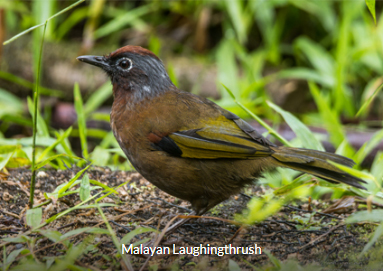
The morning started with cooperative Rufescent Prinias showing well in vegetation in front of the hotel as well as a number of species seen over the previous few days. Once again we revisited a stakeout but this time we were successful in seeing the much-wanted Malayan Laughingthrush, one of several bird species endemic to the Thai-Malay peninsula. Black-eared Shrike-babbler was another nice new species for the trip, which was seen well; this is yet another bird with a high visual impact when seen clearly. Later we hiked to the Hemnant Trail where the highlights were two montane resident cuckoo species; Dark Hawk Cuckoo and Sunda Cuckoo before we took a break for lunch.
Our afternoon birding session began along Jeriau Waterfall Road where Black Laughingthrush was a highlight. This species can be very secretive so it was great to be able to see these garrulous birds. Collared Babbler was another excellent bird as was Blue Nuthatch, which was part of a mixed-species flock that also included Lesser Yellownape and Eastern Crowned Warbler. Later we birded along the road towards the east entrance of Hemnant Trail where Rufous-bellied Swallow was a nice bird as well as some more Blue Nuthatches, a species that is always wonderful to see. A party of four Black-thighed Falconets in a bare tree behind the resort were the last birds we enjoyed before dinner after which we tried some more nocturnal birding. Unfortunately not a single nocturnal bird vocalization was heard, perhaps due to foggy conditions? Night birding can really test the patience at times but you have to put in the hours to get the rewards.
Day 7; 12th September – Krau Forest Reserve – Taman Negara Kuala Tahan
We checked out after breakfast and drove down the mountain making a brief stop to look at a flock of Grey-rumped Treeswifts in a tree amidst the fog with the loud song of Siamang as the backing track. After a drive of over two hours we reached Tengku Hassaal Wildlife Reserve in Krau. Birding around feeding stations produced some very good birds including some real stunners in Green Broadbill, Black-and-red Broadbill and Rufous-collared Kingfisher. The feeding stations gave us good views of some rather skulking birds including Malayan Black-capped Babbler and Short-tailed Babbler while other species included Red-throated Barbet, colourful Asian fairy Bluebird and some more bulbuls in the form of Hairy-backed, Yellow-bellied and Grey-cheeked Bulbuls. After this location we began our journey to Taman Negara Kuala Tahan entrance.
We dropped our luggage at the jetty where we met local guide Aki, who took us to bird along the road in the “Hornbill Valley” where Rhinoceros Hornbill was said to be common, but we had no sign of it. Nevertheless, the session yielded a number of new species for the trip before a heavy downpour, including Black Hornbill, White-bellied Munia, Large Green Pigeon and colourful Thick-billed Green Pigeon. Because of the rain we were unable to do any owling but had a nice dinner.
Day 8; 13th September – Taman Negara Kuala Tahan
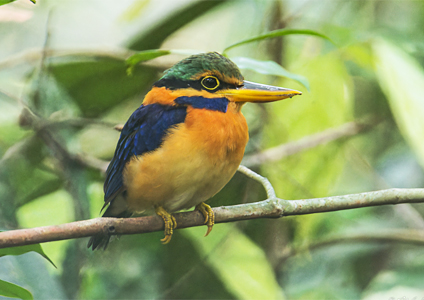
After breakfast we started our birding by checking out a fruiting tree in the hotel grounds where a lot of bulbuls were visiting. The misty conditions made it hard but the first new bird for the tour was a Bar-bellied Cuckooshrike which seemed to be foraging on insects attracted to ripe fruits. A closer look at the tree revealed the well-camouflaged Greater and Lesser Green leafbirds plucking figs from the tree. Then we followed Aki on the trail along the Tahan river where the mist seemed to be less of a problem. Birding in the forest here can be difficult and slow, so patience was needed but we got our rewards in the form of a female Rufous-collared Kingfisher. We slowly picked off birds along the way with highlights being the secretive Maroon Woodpecker, with its high-pitched call coming from thick vegetation, Banded Woodpecker and Rufous-winged Philentoma. Finsch’s Bulbul is a range-restricted bird so it was nice to find this one and Rufous-chested Flycatcher was another nice find in the thick forest. Lunch and a break was well-earned.
In the afternoon weather conditions were better and birding the “swamp loop” was more productive than expected, probably due to the fog burning away. Many mixed-species flocks were encountered with an ensemble cast of new species of malkohas (Black-bellied and Chestnut-breasted), trogons (Scarlet-rumped, Orange-breasted and Red-naped), woodpeckers (Buff-necked, Buff-rumped, Crimson-winged and Checker-throated), babblers (Black-throated, Sooty-capped, Rufous-crowned, Moustached and Ferruginous) as well as Spotted Fantail and Puff-backed Bulbul. A party of at least six Malayan Crested Firebacks walking past were a welcome distraction from the busy small-bird mixed flocks. Quite a haul of birds for an afternoon of birding in this type of forest.
After dinner, prior to our night walk, the unique Sunda Colugo made a surprise close to the cafeteria by gliding down from a tree close to a tree where most of the group participants were standing. Due to the long holidays the trail was busy with tourists but we found a roosting Black-and-red Broadbill with the only nocturnal bird found on the trail being a Collared Scops Owl. However, a Buffy Fish owl perched on the roof of a lodge building was an exciting moment for those of us who stayed up until the end.
Day 9; 14th September – Taman Negara Kuala Tahan – Taman Negara Merapoh
The few hours of birding on the final morning at Kuala Tahan provided some improved views of many of the species recorded on the previous days, especially the hyperactive Rufous-tailed Tailorbird which perched long enough for everyone to enjoy. The shy Malayan Black magpie was heard but not seen.
We left Kuala Tahan to undertake a rather congested journey to Merapoh, the northwestern part of Taman Negara. We had lunch en-route and arrived at Merapoh early enough for a full afternoon birding session with a cute White-headed Munia recorded along the entrance road.
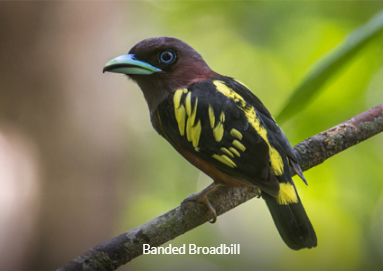
On arrival we were greeted by the colourful Prevost’s Squirrel, a new mammal for the trip, before continuing to the canopy walkway where good views of Common Hill Myna were obtained. As we were looking at a fruiting tree visited by the Hill Myna as well as Mountain Imperial Pigeon and Gold-whiskered Barbet, Shahrool alerted the group, via walkie-talkie, about a Garnet Pitta making an appearance at a feeding station at that moment. Not long after the group rushed to the spot the mesmerizing Garnet Pitta hopped out into the open, taking turns to feed with White-rumped Shama, Ferruginous Babbler and Short-tailed Babbler. Other birds that showed while enjoying the pitta included Finsch’s Bulbul and Banded Broadbill.
Soon, though, we had to leave the park due to incoming thunderstorms, with warnings announced through loud speakers by the park authorities telling everybody to leave. Consequently, we headed towards Phoenix Hotel in Gua Musang Kelantan. The heavy rain stopped during dinner and Shahrool told us that he had checked that it was ok for us to head back into the park to look for nocturnal birds. We were not to be disappointed as a major target species, Large Frogmouth, was the first bird to show up close to the bridge at the entrance. As we started to walk along the road a Collared Scops Owl was spotted perched in the open as well as its potential prey, a Pencil-tailed House Mouse as well as a female White-rumped Shama roosting. Several Blyth’s Frogmouths were calling from far away but would not come any closer so we decided to call and end to the birding and head to the hotel to sleep.
Day 10, 15th September – Taman Negara Merapoh
The day started with rain but while we sheltered we were able to enjoy some birds with Yellow-eared and Grey-breasted Spiderhunters foraging on nectar of the flowers of a nearby tree, some close views of Black-and-red Broadbills, ‘scope views of Black Hornbills and Little Green Pigeons.
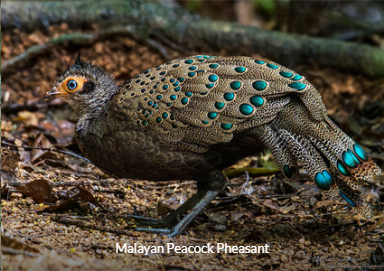
As the rain slowed we were privileged to be transported in local guide Yuki’s pickup truck to a feeding station to get the best viewing positions before other groups arrived there too. A pheasant, thought to be Malayan Peacock Pheasant, was seen crossing the road just as we arrived at the stopping spot. The feeding station received visits by small birds including Yellow-bellied Bulbul, Ferruginous Babbler and Short-tailed Babbler. As we were hoping for a pheasant to appear a bull Asian Elephant was noticed walking across the road not too far away! Luckily everyone stayed calm and the elephant gently continued his path into the forest. Not long after the elephant was out of sight a majestic male Great Argus also crossed the road in front of us and slowly retreated into the dark forest vegetation. We heard several species not yet seen including the much-wanted Helmeted Hornbill, Rhinoceros Hornbill, Striped Wren Babbler and Fiery Minivet but decided to prioritize the feeding station before searching for them. This proved to be a wise decision as shortly after a spectacular Malayan Peacock Pheasant appeared at the spot. This range-restricted and endangered species seems to never to have been reliable at a feeding spot until this year so we felt blessed indeed. This bird ended up high on this list when taking the vote for the bird of the trip on our final night.
We rode in Yuki’s pickup truck to look for birds further into the forest. There was disappointingly no sign of any hornbill species and the only bird we stopped the vehicle for was a dark-phase Changeable Hawk Eagle in a bare tree. There was hardly any bird vocalization heard along the ten kilometre journey until we reached Kuala Juram Ranger Station at the end of the road. Here a fruiting fig tree was heaving with birds like Dark-throated Oriole, Crimson-breasted Flowerpecker, yellow-crowned Barbet and Red-throated barbet, both of which gave us excellent views. Various bulbuls, leafbirds and other barbets were also present. Other notable birds seen at this location were Whiskered Treeswift and a handsome male Temminck’s Sunbird.
After having local-style chicken and rice delivered to us in the field for lunch we continued looking for birds along the road acquiring a few additions to the trip list including Yellow-vented Flowerpecker, the colossal Great Slaty Woodpecker and yet more mammals in the form of Black Giant Squirrel and Yellow-throated Marten. Late afternoon birding on the canopy walkway yielded no other hornbill species other than Black Hornbill and the final sighting of the day was a juvenile Black-thighed Falconet preying upon the slightly larger Little Green Pigeon. Quite an observation to finish the day.
Day 11, 16th September – Taman Negara Merapoh – Bukit Tinggi
We checked out of our accommodation early and entered the forest at sunrise to spend some quality birding hours before continuing our journey. Most species seen were repeats of the previous day but an addition to the list included Grey-headed Canary Flycatcher and improved views of Spectacled Spiderhunter.
Shrew-faced Ground Squirrel put in an appearance this morning and bird species that we heard on the previous day but seen today included Striped Wren Babbler and Fiery Minivet. Helmeted and Rhinoceros Hornbills remained heard only unfortunately.
We arrived at Bukit Tinggi after lunch and went straight to the Japanese Garden. The long-distance migratory Pacific Swift, from the northern part of the continent, was a new bird seen along the way. Not long after arriving at the feeding spot we were treated to a confiding pair of Ferruginous Partridges as well as the, by no familiar, White-rumped Shama and some Ochraceous Bulbuls. Birding around the garden also produced Raffles’s Malkoha, Large Woodshrike and Yellow-bellied Warbler in the bamboo groves.
Day 12, 17th September – Bukit Tinggi – Kepang Botanical Garden
The initial itinerary was to go to the Japanese Garden early in the morning to maximise the chance of seeing the last target species, Mountain Peacock Pheasant, before coming back to enjoy the hotel buffet breakfast. However, the prolonged downpour caused a sudden change of plan to breakfast first and checking out before going birding. As we were leaving Colmar Tropicale a troop of Southern Pig-tailed Macaques were roaming the side of the road. We were transported in our van to the feeding station in drizzling rain. To our relief the final target bird was already present at the feeding station alongside Ferruginous Partridges. As the drizzle was about to stop and everyone was satisfied with the Mountain Peacock Pheasant we started walking out of the garden. The first bird seen as we were out on the road was an immature Rufous-bellied Eagle perched in the treetop. As we were walking down the road, along the ridge, many exciting species were enjoyed at eye-level or below including a noisy party of Bushy-crested Hornbills, Silver-breasted Broadbill, the by-now familiar Raffles’s Malkoha, Black Eagle soaring overhead and two new bulbul species for the trip; the sombre Cinereous Bulbul and the more flashy Scaly-breasted Bulbul.
After a lunch stop we visited Kepong Botanical Gardens, with its canopy walkway, before the trip would conclude at Holiday Inn Sepang. This last birding session in the afternoon turned out to be full of memorable moments with Grey-and-buff Woodpeckers being a new species, putting on a great show at eye-level. Other species enjoyed there included Fiery Minivet, lesser Cuckooshrike, Green Iora, Crimson-winged Woodpecker, Blue-winged Leafbird, Blue-throated Bee-eater and the splendid Banded Broadbill as well as a pair of striking Black-and-red Boradbills. Excellent birds to see before making the journey back to our airport hotel where dinner was enjoyed while discussing th best moments of this successful birding tour.
Bird of the Trip
- Garnet Pitta
- Malayan Peacock Pheasant
- Malayan Crested Fireback
- Ferruginous Partridge
- Fire-tufted Barbet
In this wonderful collection of birds the visual impact and quality of the views played a major part in the popularity of each species. The scarcity and secretive nature of many of these birds was also an important factor on them being voted into the top five birds of the trip and all deserve their place on this list.
Shah Alam Botanical Gardens: A nice area of botanical gardens adjacent to forest and very close to the capital city, Kuala Lumpur. Consisting of groves of trees, forest patches and ornamental gardens this site provides easy birding and a good introduction to the birds of Peninsula Malaysia and is always a good start to a birding tour.
Sungai Buloh: Birding along a mangrove-fringed river allows a good number of large waterbirds to be seen from a boat. A great location for seeing big numbers of storks, especially the monstrous Lesser Adjutant.
Kuala Selangor: A forest park that contains a variety of coastal forest types, particularly mangroves with a series of tracks and boardwalks allowing birders access to a good area of habitat. Thisis a great place for mangrove Blue Flycatcher.
Tanjung Karang Rice Fields: An area of rice farming with wet ditches and copses of village trees. Only visited at night for nocturnal species.
Fraser’s Hill: A former colonial hill station set in montane forest with more tropical forest on the lower slopes providing birders with access to a wide variety of species including many of the Malay Peninsula’s endemic species. Comfortable accommodation and several feeding stations makes for pleasant birding with Malayan Partridge, Malayan Whistlingthrush and Malayan Laughingthrush being some of the highlights.
Krau Forest Reserve: An area of lowland forest that provides easy access to some of the signature species of this habitat.
Taman Negara: A superb area of lowland rainforest containing a full suite of the species characteristic of the habitat. Birding here is never easy but the rewards for patient birders are exciting with a series of trails, tracks and access by river allowing for penetration into the heart of the forest where species such as Garnet Pitta, Great Argus and Malayan Peacock Pheasant lurk.
Bukit Tingii: Another hill station with plentiful accommodation and ornamental gardens where a feeding station is the best place within the species’ range to see Mountain Peacock Pheasant.
Kepang Botanical Gardens: Another botanical gardens, this one with a canopy walkway giving birders eye-level access to species in the treetops.
The sites at which each species were seen are coded as below;
- Shah Alam Botanical Gardens: SA
- Sungai Buloh: SB
- Kuala Selangor Mangroves: KS
- Tanjung Karang Rice Fields: TK
- Fraser’s Hill: FH
- Krau Forest Reserve: KF
- Taman Negara:TN
- Hornbill Valley: HV
- Bukit Tinggi: BT
- Kuala Lipis: KLi
- Kapang Botanical Gardens: KBG
During this Peninsula Malaysia birding trip 278 full species were seen.
SPECIES
GALLIFORMES: Phasianidae
Malayan Partridge
Ferruginous Partridge
Malayan Peacock Pheasant
Mountain Peacock Pheasant
Red Junglefowl
Malayan Crested Fireback
Great Argus
CAPRIMULGIFORMES: Caprimulgidae
Large-tailed Nightjar
PODARGIFORMES: Podargidae
Large Frogmouth
Blyth’s Frogmouth
APODIFORMES: Hemiprocnidae
Grey-rumped Treeswift
Whiskered Treeswift
APODIFORMES: Apodidae
Plume-toed Swiftlet
White-nest Swiftlet
Silver-rumped Spinetail
Brown-backed Needletail
Asian Palm Swift
Pacific Swift
House Swift
CUCULIFORMES: Cuculidae
Greater Coucal
Raffles’s Malkoha
Red-billed Malkoha
Chestnut-breasted Malkoha
Black-bellied Malkoha
Green-billed Malkoha
Asian Koel
Little Bronze Cuckoo
Violet Cuckoo
Plaintive Cuckoo
Sunda Cuckoo
Dark Hawk Cuckoo
COLUMBIFORMES: Columbidae
Feral Pigeon
Spotted Dove
Little Cuckoo Dove
Asian Emerald Dove
Zebra Dove
Little Green Pigeon
Pink-necked Green Pigeon
Thick-billed Green Pigeon
Large Green Pigeon
Mountain Imperial Pigeon
GRUIFORMES: Rallidae
White-breasted Waterhen
CHARADRIFORMES: Charadridae
Red-wattled Lapwing
CHARADRIFORMES: Scolopacidae
Common Sandpiper
CHARDRIFORMES: Laridae
Whiskered Tern
CICONIIFORMES: Ciconiidae
Asian Openbill
Lesser Adjutant
Painted Stork
PELECANIFORMES: Ardeidae
Black-crowned Night Heron
Little Egret
Little Heron
Great Egret
Medium Egret
Eastern Cattle Egret
Grey Heron
Purple Heron
ACCIPITRIFORMES: Accipitridae
Oriental Honey-buzzard
Crested Serpent Eagle
Blyth’s Hawk Eagle
Changeable Hawk Eagle
Rufous-bellied Eagle
Black Eagle
Crested Goshawk
Japanese Sparrowhawk
Brahminy Kite
White-bellied Sea Eagle
STRIGIFORMES: Strigidae
Collared Owlet
Collared Scops Owl
Buffy Fish Owl
Dusky Eagle Owl
TROGONIFORMES: Trogonidae
Red-naped Trogon
Scarlet-rumped Trogon
Orange-breasted Trogon
Red-headed Trogon
BUCEROTIFORMES: Bucerotidae
Oriental Pied Hornbill
Black Hornbill
Bushy-crested Hornbill
CORACIIFORMES: Coraciidae
Oriental Dollarbird
CORACIIFORMES: Alcedinidae
Rufous-collared Kingfisher
Banded Kingfisher
Stork-billed Kingfisher
White-throated Kingfisher
Collared Kingfisher
Blue-eared Kingfisher
Rufous-backed Dwarf Kingfisher
CORACIIFORMES: Meropidae
Red-bearded Bee-eater
Blue-tailed Bee-eater
Blue-throated Bee-eater
PICIFORMES: Megalaimidae
Fire-tufted Barbet
Lineated Barbet
Gold-whiskered Barbet
Red-throated Barbet
Black-browed Barbet
Yellow-crowned Barbet
Black-eared Barbet
Coppersmith Barbet
Sooty Barbet
PICIFORMES: Picidae
Speckled Piculet
Rufous Piculet
Grey-and-buff Woodpecker
Sunda Pygmy Woodpecker
Banded Woodpecker
Checker-throated Woodpecker
Greater Yellownape
Lesser Yellownape
Crimson-winged Woodpecker
Laced Woodpecker
Common Flameback
Maroon Woodpecker
Bay Woodpecker
Rufous Woodpecker
Buff-rumped Woodpecker
Buff-necked Woodpecker
Great Slaty Woodpecker
FALCONIFORMES: Falconidae
Black-thighed Falconet
PSITTACIFORMES: Psittaculidae
Long-tailed Parakeet
Blue-crowned Hanging Parrot
PASSERIFORMES: Eurylaimidae
Long-tailed Broadbill
Silver-breasted Broadbill
Black-and-red Broadbill
Banded Broadbill
Black-and-yellow Broadbill
PASSERIFORMES: Calyptomenidae
Green Broadbill
PASSERIFORMES: Pittidae
Garnet Pitta
Rusty-naped Pitta
PASSERIFORMES: Acanthizidae
Golden-bellied Gerygone
PASSERIFORMES: Vangidae
Bar-winged Flycatcher-shrike
Black-winged Flycatcher-shrike
Large Woodshrike
Rufous-winged Philentoma
PASSERIFORMES: Aegithinidae
Common Iora
Green Iora
PASSERIFFORMES: Campephagidae
Fiery Minivet
Grey-chinned Minivet
Scarlet Minivet
Bar-bellied Cuckooshrike
Malayan Cuckooshrike
Pied Triller
PASSERIFORMES: Pachycephalidae
Mangrove Whistler
PASSERIFORMES: Vireonidae
Black-eared Shrike-babbler
White-browed Shrike-babbler
White-bellied Erpornis
PASSERIFORMES: Oriolidae
Black-and-crimson Oriole
Dark-throated Oriole
Black-naped Oriole
PASSERIFORMES: Dicruridae
Bronzed Drongo
Lesser Racket-tailed Drongo
Greater Racket-tailed Drongo
PASSERIFORMES: Rhipiduridae
Spotted Fantail
Malaysian Pied Fantail
White-throated Fantail
PASSERIFORMES: Monarchidae
Black-naped Monarch
Blyth’s Paradise-flycatcher
PASSERIFORMES: Corvidae
Malayan Black Magpie
House Crow
Large-billed Crow
PASSERIFORMES: Stenostridae
Grey-headed Canary Flycatcher
PASSERIFORMES: Paridae
Sultan Tit
PASSERIFORMES: Pycnonotidae
Hairy-backed Bulbul
Yellow-bellied Bulbul
Grey-cheeked Bulbul
Ochraceous Bulbul
Finsch’s Bulbul
Buff-vented Bulbul
Cinereous Bulbul
Streaked Bulbul
Mountain Bulbul
Puff-backed Bulbul
Black-headed Bulbul
Spectacled Bulbul
Scaly-breasted Bulbul
Black-crested Bulbul
Cream-vented Bulbul
Olive-winged Bulbul
Red-eyed Bulbul
Stripe-throated Bulbul
Yellow-vented Bulbul
PASSERIFORMES: Hirundinidae
Pacific Swallow
Barn Swallow
Rufous-bellied Swallow
PASSERIFORMES: Pnoepygidae
Pygmy Cupwing
PASSERIFORMES: Cettidae
Mountain Tailorbird
Yellow-bellied Warbler
PASSERIFORMES: Phylloscpidae
Eastern Crowned Warbler
Arctic Warbler
Chestnut-crowned Warbler
PASSERIFORMES: CISTICOLIDAE
Rufescent Prinia
Yellow-bellied Prinia
Common Tailorbird
Dark-necked Tailorbird
Rufous-tailed Tailorbird
Ashy Tailorbird
PASSERIFORMES: Zosteropidae
Swinhoe’s White-eye
Hume’s White-eye
PASSERIFORMES: Timaliidae
Pin-striped Tit Babbler
Golden Babbler
Chestnut-winged Babbler
Black Laughingthrush
Sunda Scimitar Babbler
Black-throated Babbler
Chestnut-rumped Babbler
Grey-throated Babbler
PASSERIFORMES: Pellorneidae
Sooty-capped Babbler
Scaly-crowned Babbler
Rufous-crowned Babbler
Moustached Babbler
Malayan Black-capped Babbler
Short-tailed Babbler
Buff-breasted Babbler
White-chested Babbler
Ferruginous Babbler
Striped Wren Babbler
Abbott’s Babbler
Streaked Wren Babbler
PASSERIFORMES: Alcippeidae
Mountain Fulvetta
PASSERIFORMES: Leiothrichidae
Malayan Laughingthrush
Long-tailed Sibia
Blue-winged Minla
Silver-eared Mesia
Chestnut-capped Laughingthrush
PASSERIFORMES: Irenidae
Asian Fairy Bluebird
PASSERIFORMES: Sittidae
Blue Nuthatch
Velvet-fronted Nuthatch
PASSERIFORMES: Sturnidae
Asian Glossy Starling
Common Hill Myna
Javan Myna
Great Myna
PASSERIFORMES: Muscicapidae
Oriental Magpie Robin
White-rumped Shama
Brown-streaked Flycatcher
Large Niltava
Verditer Flycatcher
Rufous-browed Flycatcher
Hill Blue Flycatcher
Mangrove Blue Flycatcher
Slaty-backed Forktail
Chestnut-naped Forktail
Malayan Whistlingthrush
Lesser Shortwing
Yellow-rumped Flycatcher
Little Pied Flycatcher
Rufous-chested Flycatcher
PASSERIFORMES: Chloropseidae
Greater Green Leafbird
Lesser Green Leafbird
Blue-winged Leafbird
Orange-bellied Leafbird
Golden-fronted Leafbird
PASSERIFORMES: Dicaeidae
Yellow-breasted Flowerpecker
Crimson-breasted Flowerpecker
Yellow-vented Flowerpecker
Orange-bellied Flowerpecker
Fire-breasted Flowerpecker
Scarlet-backed Flowerpecker
PASSERIFORMES: Nectariniidae
Ruby-cheeked Sunbird
Plain Sunbird
Brown-throated Sunbird
Ornate Sunbird
Black-throated Sunbird
Temminck’s Sunbird
Purple-naped Spiderhunter
Little Spiderhunter
Spectacled Spiderhunter
Yellow-eared Spiderhunter
Grey-breasted Spiderhunter
Streaked Spiderhunter
PASSERIFORMES: Passeridae
Eurasian Tree Sparrow
PASSERIFORMES: Estrilididae
Scaly-breasted Munia
White-rumped Munia
White-bellied Munia
Chestnut Munia
White-headed Munia
Pin-tailed Parrotfinch
PASSERIFORMES: Motacillidae
Grey Wagtail
Paddyfield Pipit
SCIENTIFIC NAME
GALLIFORMES: Phasianidae
Arborophila campbelli
Caloperdix oculeus
Polyplectron malacense
Polyplectron inopinatum
Gallus gallus
Lophura erythrophthalma
Argusianus argus
CAPRIMULGIFORMES: Caprimulgidae
Caprimulgus macrurus
PODARGIFORMES: Podargidae
Batrachostomus auritus
Batrachostomus affinis
APODIFORMES: Hemiprocnidae
Hemiprocne longipennis
Hemiprocne stellatus
APODIFORMES: Apodidae
Collocalia affinis
Aerodramus fuciphagus
Rhapidura leucopygialis
Hirundapus giganteus
Cypsiurus balasiensis
Apus pacificus
Apus nipalensis
CUCULIFORMES: Cuculidae
Centropus sinensis
Rhinortha chlorophaea
Zanclostomus javanicus
Phaenicophaeus curvirostris
Phaenicophaeus diardi
Phaenicophaeus tristis
Eudynamys scolopaceus
Chalcites minutillus
Chrysococcyx xanthorhynchus
Cacomantis merulinus
Cuculus lepidus
Hierococcyx bocki
COLUMBIFORMES: Columbidae
Columba livia
Spilopelia chinensis
Macropygia ruficeps
Chalcophaps indica
Geopelia striata
Treron olax
Treron vernans
Treron curvirostra
Treron capellei
Ducula badia
GRUIFORMES: Rallidae
Amaurornis phoenicurus
CHARADRIFORMES: Charadridae
Vanellus indicus
CHARADRIFORMES: Scolopacidae
Actitis hypoleucos
CHARDRIFORMES: Laridae
Chlidonias hybrida
CICONIIFORMES: Ciconiidae
Anastomous oscitans
Leptoptilas javanicus
Mycteria leucocephala
PELECANIFORMES: Ardeidae
Nycticorax nycticorax
Egretta garzetta
Butorides atricapilla
Ardea alba
Ardea intermedia
Ardea coromanda
Ardea cinerea
Ardea purpurea
ACCIPITRIFORMES: Accipitridae
Pernis ptilorhynchus
Spilornis cheela
Nispaetus alboniger
Nispaetus cirrhatus
Lophotriorchis kienerii
Ictinaetus malaiensis
Lophospiza trivirgatus
Tachyspizar gularis
Haliastur indus
Icthyaphaga leucogaster
STRIGIFORMES: Strigidae
Taenioptynx brodiei
Otus lettia
Ketupa ketupa
Bubo coromandus
TROGONIFORMES: Trogonidae
Harpactes kasumba
Harpactes duvaucelli
Harpactes oreskios
Harpactes erythrocephalus
BUCEROTIFORMES: Bucerotidae
Anthracoceros albirostris
Anthracoceros malaysensis
Anorrhinus galeritus
CORACIIFORMES: Coraciidae
Eurystomus orientalis
CORACIIFORMES: Alcedinidae
Actenoides concretus
Lacedo pulchella
Pelargopsis capensis
Halcyon smyrnensis
Todiramphus chloris
Alcedo meninting
Ceyx rufidorsa
CORACIIFORMES: Meropidae
Nyctyornis amictus
Merops philippinus
Merops viridis
PICIFORMES: Megalaimidae
Psilopogon pyrolophus
Psilopogon lineatus
Psilopogon chrysopogon
Psilopogon mystacophanos
Psilopogon oorti
Psilopogon henricii
Psilopogon cyanotis
Psilopogon haemacephalus
Caloramphus hayii
PICIFORMES: Picidae
Picumnus innominatus
Sasia abnormis
Hemicircus concretus
Yungipicus maluccensis
Chrysophlegma miniaceum
Chrysophlegma mentale
Chrysophlegma flavinucha
Picus chlorolophus
Picus puniceus
Picus vittatus
Dinopium javanense
Blythipicus rubiginosus
Blythipicus pyrrhotis
Micropternus brachyurus
Meiglyptes grammithorax
Meiglyptes tukki
Mulleripicus pulverulentis
FALCONIFORMES: Falconidae
Microhierax fringillarius
PSITTACIFORMES: Psittaculidae
Psittacula longicauda
Loriculus galgulus
PASSERIFORMES: Eurylaimidae
Psarisomus dalhousiae
Serilophus lunatus
Cymbirhynchus macrorhynchis
Eurylaimus javanicus
Eurylaimus ochromalus
PASSERIFORMES: Calyptomenidae
Calyptomena viridis
PASSERIFORMES: Pittidae
Erythropitta granatina
Pitta oatesi
PASSERIFORMES: Acanthizidae
Gerygone sulphurea
PASSERIFORMES: Vangidae
Hemipus picatus
Hemipus hirundinaceus
Tephrodornis virgatus
Philentoma pyrhoptera
PASSERIFORMES: Aegithinidae
Aegithinia tiphia
Aegithinia viridissima
PASSERIFFORMES: Campephagidae
Pericrocotus igneus
Pericrocotus solaris
Pericrocotus speciosus
Coracina striata
Coracina larutensis
Lalage nigra
PASSERIFORMES: Pachycephalidae
Pachycephala cinerea
PASSERIFORMES: Vireonidae
Pteruthius melanotis
Pteruthius aeralatus
Erpornis zantholeuca
PASSERIFORMES: Oriolidae
Oroilus consanguineus
Oriolus xanthonotus
Oriolus chinensis
PASSERIFORMES: Dicruridae
Dicrurus aeneus
Dicrurus remifer
Dicrurus paradiseus
PASSERIFORMES: Rhipiduridae
Rhipidura perlata
Rhipidura javanica
Rhipidura albicollis
PASSERIFORMES: Monarchidae
Hypothymis azurea
Terpsiphone affinis
PASSERIFORMES: Corvidae
Platysmurus leucopterus
Corvus splendens
Corvus macrorhynchos
PASSERIFORMES: Stenostridae
Culicicapa ceylonensis
PASSERIFORMES: Paridae
Melanochlora sultanea
PASSERIFORMES: Pycnonotidae
Tricholestes criniger
Alophoixus phaenocephalus
Alophoixus tephrogenys
Alophoixus ochraceous
Iole finschii
Iole crypta
Hemixos cinereus
Ixos malaccensis
Ixos mcclellandii
Euptilotus eutilotus
Brachypodius melanocephalos
Ixodia erythropthalmas
Ixodia cyaniventris
Rubigula flaviventris
Pycnonotus simplex
Pycnonotus plumosus
Pycnonotus brunneus
Pycnonotus finlaysoni
Pycnonotus goavier
PASSERIFORMES: Hirundinidae
Hirundo javanica
Hirundo rustica
Cecropis badia
PASSERIFORMES: Pnoepygidae
Pnoepyga pusilla
PASSERIFORMES: Cettidae
Phyllergates cucullatus
Abroscopus superciliaris
PASSERIFORMES: Phylloscpidae
Phylloscopus coronatus
Phylloscopus borealis
Phylloscopus castaniceps
PASSERIFORMES: CISTICOLIDAE
Prinia rufescens
Prinia flaviventris
Orthotomus sutorius
Orthotomus atrogularis
Orthotomus sericeus
Orthotomus ruficeps
PASSERIFORMES: Zosteropidae
Zosterops simplex
Zosterops auriventer
PASSERIFORMES: Timaliidae
Mixornis gularis
Cyanoderma chrysaeum
Cyanoderma erythropterum
Melanocichla lugubris
Pomatorhinus bornensis
Stachyris nigricollis
Stachyris maculata
Stachyris nigriceps
PASSERIFORMES: Pellorneidae
Malacopteron affine
Malacopteron cinereum
Malacopteron magnum
Malacopteron magnirostre
Pellorneum nigrocapitatum
Pellorneum malaccense
Pellorneum albiventre
Pellorneum rostratum
Pellorneum bicolor
Kenopia striata
Malacocincla abbotti
Gypsophila brevicaudata
PASSERIFORMES: Alcippeidae
Alcippe peracensis
PASSERIFORMES: Leiothrichidae
Trochalopteron peninsulae
Heterophasia picaoides
Actinodura cyanouroptera
Leiothrix argentauris
Pterorhinus mitratus
PASSERIFORMES: Irenidae
Irena puella
PASSERIFORMES: Sittidae
Sitta azurea
Sitta frontalis
PASSERIFORMES: Sturnidae
Aplonis panayensis
Gracula religiosa
Acridotheres javanicus
Acridotheres tristis
PASSERIFORMES: Muscicapidae
Copsychus saularis
Copsychus malabaricus
Muscicapa latirostris
Niltava grandis
Eumyias thalassinus
Anthipes solitaris
Cyornis whitei
Cyornis rufigastra
Enicurus schistaceus
Enicurus ruficapillus
Myophonus robinsoni
Brachypteryx leucophris
Ficedula zanthopygia
Ficedula westermanni
Ficedula dumetoria
PASSERIFORMES: Chloropseidae
Chloropsis sonnerati
Chloropsis cyanopogon
Chloropsis moluccensis
Chloropsis hardwickii
Chloropsis aurifrons
PASSERIFORMES: Dicaeidae
Prionochilus maculatus
Prionochilus percussus
Dicaeum chrysorrheum
Dicaeum trigonostigma
Dicaeum ignipectus
Dicaeum cruentatum
PASSERIFORMES: Nectariniidae
Chalcoparia singalensis
Anthreptes simplex
Anthreptes malacensis
Cinnyris ornatus
Aethopyga saturata
Aethopyga temminckii
Kurachlinegramma hypogrammicum
Arachnothera longirostra
Arachnothera flavigaster
Arachnothera chrysogenys
Arachnothera modesta
Arachnothera magna
PASSERIFORMES: Passeridae
Passer montanus
PASSERIFORMES: Estrilididae
Lonchura punctulata
Lonchura striata
Lonchura leucogastra
Lonchura atricapilla
Lonchura maja
Erythrura prasina
PASSERIFORMES: Motacillidae
Motacilla cinerea
Anthus rufulus
SITES SEEN
GALLIFORMES: Phasianidae
FH
BT
TN
BT
SA
TN
TN
CAPRIMULGIFORMES: Caprimulgidae
TK
PODARGIFORMES: Podargidae
TN
TN
APODIFORMES: Hemiprocnidae
FH, TN
TN
APODIFORMES: Apodidae
FH, TN, BT
SA, SB, KS, KF, TN, BT
SA, TN
SA, TN, BT
HV
BT
KS, FH, TN
CUCULIFORMES: Cuculidae
TN
SA, TN, BT
FH, TN
TN
TN
FH
SB, KF
SB, KS
TN
KLi
FH
FH
COLUMBIFORMES: Columbidae
Ubiquitous
SB, KS, TN
FH, TN
HV, TN
SA, SB, KS, KF, TN
TN
SA, SB, KS
HV, TN
HV, TN
FH, TN, BT
GRUIFORMES: Rallidae
SB
CHARADRIFORMES: Charadridae
KBG
CHARADRIFORMES: Scolopacidae
SB, KS
CHARDRIFORMES: Laridae
SB
CICONIIFORMES: Ciconiidae
SA, SB, KS
SB, KS
SA, SB
PELECANIFORMES: Ardeidae
SB, KS, TK
KS
KS
SB, KS
KS
SB
SA, SB
SA, SB, KS
ACCIPITRIFORMES: Accipitridae
FH
FH
TN
SA, KF, TN
TN, BT
FH, BT
TN
FH
SB, KS
KS
STRIGIFORMES: Strigidae
FH
TN
TN
TK
TROGONIFORMES: Trogonidae
TN
TN
TN
FH
BUCEROTIFORMES: Bucerotidae
SA, KS
HV, TN
HV, BT
CORACIIFORMES: Coraciidae
SA, SB, TN
CORACIIFORMES: Alcedinidae
KS
TN
KS, TN
SA, SB, KS, TN
SB, KS
KS
TN
CORACIIFORMES: Meropidae
FH, TN
SB, KS
SA, TN
PICIFORMES: Megalaimidae
FH
SB
FH, TN, HV, BT
FH, TN, BT
FH, BT
FH, TN
FH, HV, TN, BT
SA, SB, KS
SA, TN, BT
PICIFORMES: Picidae
FH
FH, BT
TBK
SB, KS
TN
TN
FH
FH
TN, KBG
KS
SA, KS, KBG
TN
FH
SB, TN, KBG
TN
TN
TN
FALCONIFORMES: Falconidae
SA, FH, TN
PSITTACIFORMES: Psittaculidae
SA
SA, FH, HV, TN, KBG
PASSERIFORMES: Eurylaimidae
FH
FH, BT
TN, KBG
SA, TN, KBG
SA, HV, TN, KBG
PASSERIFORMES: Calyptomenidae
TN
PASSERIFORMES: Pittidae
TN
FH
PASSERIFORMES: Acanthizidae
KS, HV
PASSERIFORMES: Vangidae
SA, FH
TN, KBG
SA, BT, KBG
TN
PASSERIFORMES: Aegithinidae
SA, SB, TN, KBG
SA, TN. KBG
PASSERIFFORMES: Campephagidae
TN, KBG
FH
FH
TN
FH
KS
PASSERIFORMES: Pachycephalidae
KS
PASSERIFORMES: Vireonidae
FH
FH
FH, TN, KBG
PASSERIFORMES: Oriolidae
FH
TN
SA, KS
PASSERIFORMES: Dicruridae
FH
FH
SA, TN
PASSERIFORMES: Rhipiduridae
TN
KS
FH
PASSERIFORMES: Monarchidae
TN
TN
PASSERIFORMES: Corvidae
TN
SA, SB, KS
Ubiquitous
PASSERIFORMES: Stenostridae
TN
PASSERIFORMES: Paridae
FH, TN, BT
PASSERIFORMES: Pycnonotidae
TN
TN
TN
FH, BT
TN
SA, TN, KBG
BT
TN
FH
TN
TN
SA, HV, TN. KBG
BT
FH, BT
TN
SA, KS, TN
SA, TN, BT, KBG
FH, TN, BT, KBG
SA, SB, KS, FH, KF, HV, TNBT, KBG
PASSERIFORMES: Hirundinidae
Ubiquitous
SA, SB, KS, TN, KBG
FH
PASSERIFORMES: Pnoepygidae
FH
PASSERIFORMES: Cettidae
FH
FH, BT
PASSERIFORMES: Phylloscpidae
FH, TN
FH
FH
PASSERIFORMES: CISTICOLIDAE
FH, HV, TN
SB, KS, HV, TN
SA, KS, FH, TN, KBG
SA, FH, HV, TN, BT
TN
KS, TN
PASSERIFORMES: Zosteropidae
SB, KS
FH, BT
PASSERIFORMES: Timaliidae
SA, FH, HV, TN, BT
FH
HV, TN
FH
FH
SA, TN
TN
FH, BT
PASSERIFORMES: Pellorneidae
TN
TN
TN
TN
TN
TN
FH
TN
TN
TN
KS, TN
FH
PASSERIFORMES: Alcippeidae
FH
PASSERIFORMES: Leiothrichidae
FH
FH
FH
FH
FH
PASSERIFORMES: Irenidae
FH, TN
PASSERIFORMES: Sittidae
FH
FH
PASSERIFORMES: Sturnidae
SA, SB, KS, FH, BT, KBG
Various sites
Ubiquitous
SB
PASSERIFORMES: Muscicapidae
Many sites
Several sites
KS
FH
FH
FH, BT
FH
KS
FH
TN
FH
FH
FH, TN
FH
TN
PASSERIFORMES: Chloropseidae
TN
TN
Several sites
FH, BT
SA
PASSERIFORMES: Dicaeidae
FH, TN
TN
TN
FH, TN, BT
FH
SA
PASSERIFORMES: Nectariniidae
KS
FH, TN
SB, KS, TN, KBG
KS
FH
TN
FH, TN
Most sites
SA, TN
TN, KBG
TN, BT
FH
PASSERIFORMES: Passeridae
Urban areas
PASSERIFORMES: Estrilididae
Various open country areas
FH, TN
HV
SB
Near TN
FH
PASSERIFORMES: Motacillidae
FH
SB
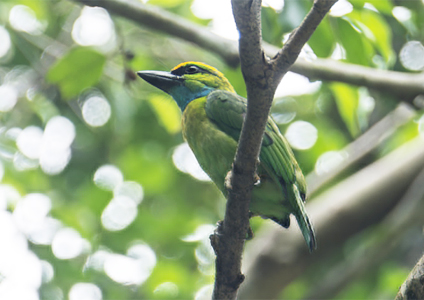
Yellow-crowned Barbet 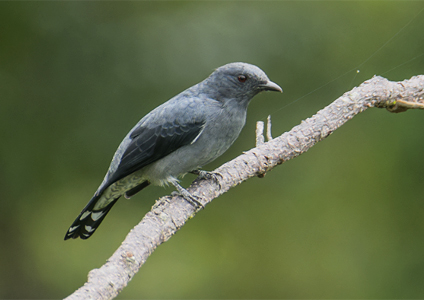
Lesser Cuckooshrike 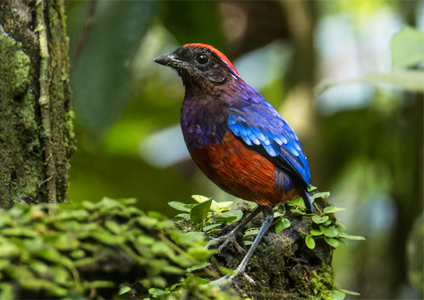
Garnet Pitta 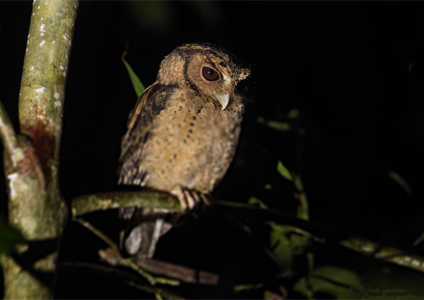
Collared Scops Owl