

West Papua Birding Trip Report November 2025
Tour Leader: Nick Upton
Dates: 2nd – 8th November 2025
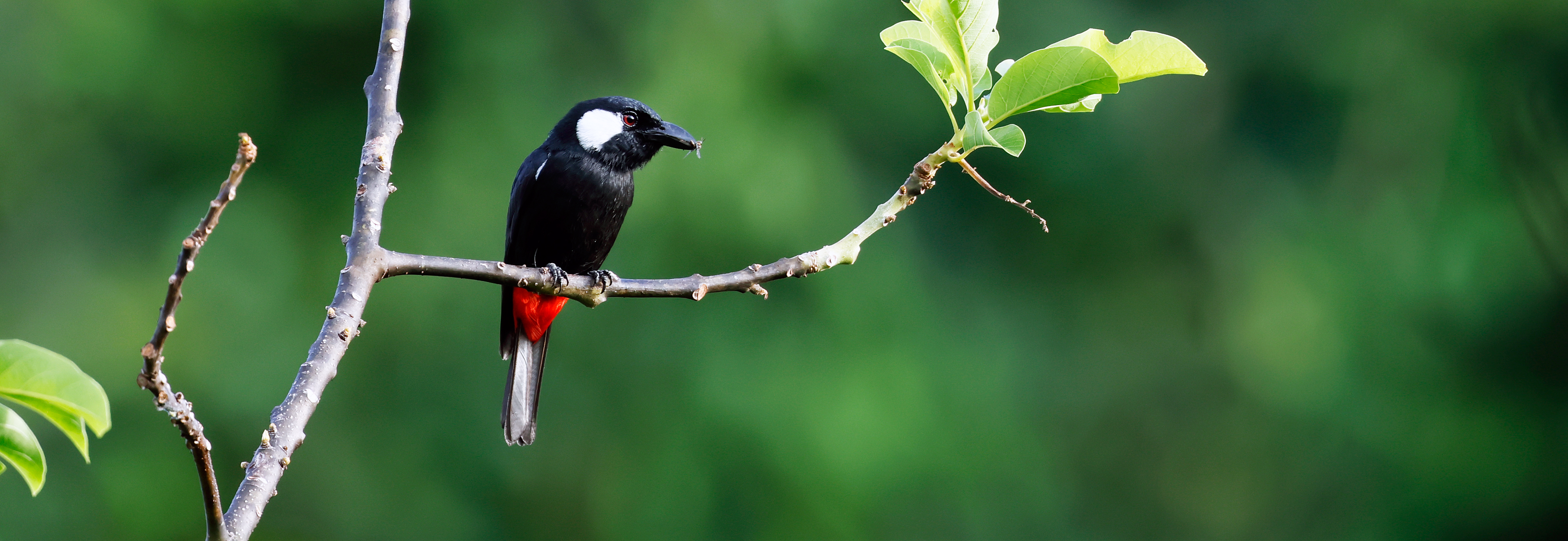
West Papua Birding Trip Highlights: The following list contains species that had a high visual impact, displayed some type of interesting behaviour or were just enjoyed for some personal reason; often there is something about a bird that appeals that is hard to define.
- Dusky Megapode
- Marbled Frogmouth
- Papuan Frogmouth
- Moustached Treeswift
- Channel-billed Cuckoo
- Spice Imperial Pigeon
- Pink-spotted Fruit Dove
- Sharp-tailed Sandpiper
- Variable Goshawk
- Papuan Boobook
- Blyth’s Hornbill
- Common Paradise Kingfisher
- Beach Kingfisher
- Yellow-billed Kingfisher
- Papuan Dwarf Kingfisher
- Little Kingfisher
- Palm Cockatoo
- Papuan Eclectus
- Black-capped Lory
- Black Lory
- Papuan Pitta
- Eastern Hooded Pitta
- Emperor Fairy Wren
- Yellow-breasted Boatbill
- Lowland Peltops
- Golden Monarch
- Frilled Monarch
- Magnificent Riflebird
- Magnificent Bird-of-Paradise
- King Bird-of-Paradise
- Lesser Bird-of-Paradise
- Red Bird-of-Paradise
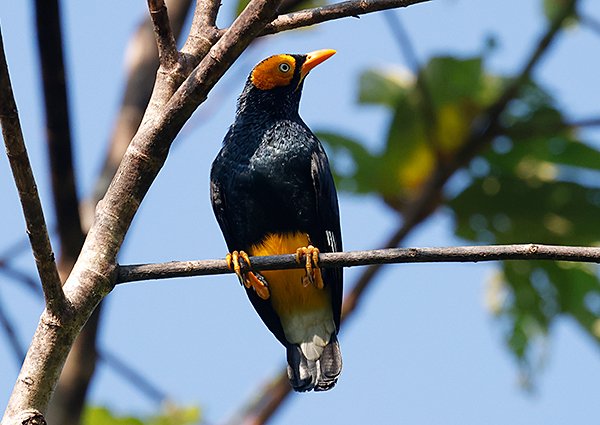
- Golden Myna
Summary:
The above list of highlight species seen on this brief West Papua birding trip is one that was achieved without too much arduous hiking or staying in low-quality accommodation, in fact these bird sightings can be replicated for most birders with decent levels of mobility. More top quality birds were seen on this short exploratory birding trip than had been expected, reflecting the quality of the habitats and birding here. Beginning in Sorong and visiting nearby mangroves we were introduced to the birds of West Papua and connected with some real gems in Emperor Fairywren and Little Kingfisher. Following on from that a mind-boggling day spent in the extensive forest around the tiny settlement of Malagafuk turned up more spectacular birds than had been imagined with species such as Magnificent Riflebird, King Bird-of-Paradise and Papuan Pitta were just a few of the incredible birds seen. A more relaxing morning in forest close to Sorong on the following day provided a bounty of Fruit Doves before taking the boat to a very beautiful and peaceful Waigeo Island. Staying in a charming little resort on the coast we spent three full days exploring the birds of the island. High bird abundance was a feature here with various parrots, doves and pigeons being common with the undoubted highlight being an early morning encounter with displaying Red Birds-of-Paradise viewed at eye-level. Departing this incredibly bird-rich area was difficult but we will be back for a more extensive tour.
Join us on our next birding tour to West Papua. See the full itinerary and book here – West Papua Birding Tour.
Field Guide
Birds of New Guinea by Phil Gregory, published by Lynx Edicions. Of the two field guides available for this region this Lynx Edicions field guide is by far the most portable for travelling and use in the field. With a sweat-proof vinyl cover it also holds up to the humid conditions in Papua too. This field guide contains the most up-to-date taxonomy too and although the illustrations are good, it is also worth owning the Helm guide to the region for reference too as the plates in that publication display a greater range of plumages for some species.
Day 1; 2nd November – Arrival Sorong – Sorong Mangroves
After a long, overnight, transit in Makassar airport, from Bali, we arrived at Sorong airport at 6am in the morning to begin this West Papua birding trip. Being a small, but modern, airport baggage was dealt with swiftly and we met our driver/helper with no trouble and with check in time at the hotel being much later the journey proceeded directly to Sorong mangroves This is a well-established birding site that others had said could be very challenging to see anything much at all. With much expectation we started by walking down a quiet track through the mangroves as the main entry road was full of locals doing their morning exercise and indeed, things were pretty quiet from the outset. Two birds that were very obvious throughout the time in the mangroves were the charismatic Willie Wagtail, darting around all over the place, and Brown-backed Honeyeater which proved to be very abundant.
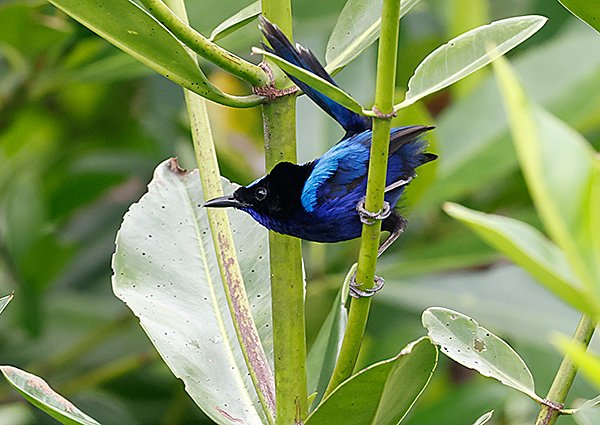
Scanning bare trees for birds perching out in the open revealed little but a high-pitched call from the mangroves turned out to originate from a Large-billed Gerygone. There were quite a lot of bird calls coming from the mangrove forest but its dense nature made it very hard to see into. A little “pishing” eventually teased out a nice male Shining Flycatcher, a species that would be seen several time s i the mangroves, but a bit of random call-playing resulted in one of the most spectacular sightings of the morning; a pair of wonderful Emperor Fairywrens. The Fairywrens and Shining Flycatchers seemed to be aggravated by each other making for prolonged views of both but few other birds emerged from the dense mangroves although a Long-tailed Honey-buzzard flew overhead. However, a little further along the track persistence paid off with a bit of luck; the piping call of a Little Kingfisher preceded its arrival on a nearby mangrove sapling. This can be a difficult bird to see so it was a nice encounter.
As the sun was already getting quite intense the boardwalk seemed to offer some shade and the prospect of finding birds within the mangrove forest. Along a creek a couple of Common Sandpipers were busy while in the treetops there was a commotion created by some White-bellied Cuckooshrikes having a bit of an altercation but putting on a good show. Along the boardwalk itself things were quiet but another Shining Flycatcher was seen and a second Little Kingfisher flashed by but the only other bird seen well was Rusty Pitohui which was in a party of four birds.
After this a walk along the road through scrubby habitat added birds such as Pacific Swallow, Scaly-breasted Munia and White-breasted Woodswallow but with fatigue setting in and the sun becoming very hot we headed to the hotel where the staff were able to allow an early check in after a short wait and a good rest was enjoyed.
In the afternoon we went to another area of mangroves, a little further south where there was extensive access along a track. Although there looked to be a lot of potential it turned out to be a bit disappointing although a perched Pacific Baza was a highlight. There were more Brown-backed Honeyeaters, Willie Wagtails, Shining Flycatchers and a single Eastern Yellow Wagtail in a grassy patch but many birds were heard and not seen as they refused to leave the shady mangrove forest. A flock of Metallic Starlings was new as were a few Pacific Golden Plovers on another wet grassy patch but with a long day ahead on the following day we decided to head back to the hotel, seeing a pair of Torresian Crows along the way as sun was setting.
Day 2, 3rd November – Malagafuk
Leaving the hotel at 5am breakfast was eaten along the way, but with a new road surface the journey only took one and a half hours with arrival very shortly after first light. There we met the local guide from the village of Malagafuk who would prove invaluable for the duration of the day who quickly asked if a Magnificent Bird-of-Paradise was of interest! Not having to be asked twice we walked a short distance, maybe as much as one hundred metres, into the forest to a blind. Peering through one of the viewing holes there was a male Magnificent Bird-of-Paradise just sitting on a perch, at first giving a front view and then the back. Shortly after this, a female arrived and an amazing display ensued for a short time. With the show over we started walking along the boardwalk to the village through some magnificent forest. The boardwalk is 3.3 kilometres long and makes walking through virgin forest as easy as walking down the street which is wonderful for birding. Like any forest birding, things were not easy but at the same time not so difficult either with the walk punctuated with birds such as Brown Oriole in the canopy, a Glossy-mantled Manucode entering a nest, Blyth’s Hornbill overhead, Sultan’s Cuckoo Dove, a singing Olive Flyrobin and a close up view of a very smart Black-sided Robin.
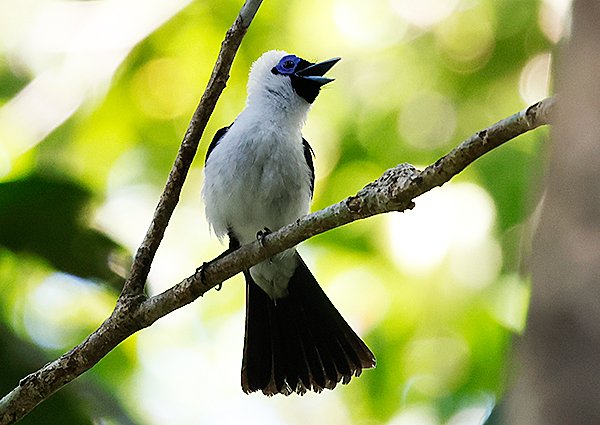
Of course there were a few birds that got away too with a Blue Jewel Babbler calling but not coming close enough to see this much-wanted bird and a Golden Cuckooshrike flying away before a “tickable” view was obtained. However, the local guide took us off the boardwalk for a short distance to point out a male King Bird-of-Paradise high in the canopy. Pleased with this fantastic bird it was made clear that there would be better views later, which was a surprise indeed. Despite several attempts to spot a calling Yellow-billed Kingfisher glimpses of movement as it flew away was all that was seen, but more success with this bird would come later in the trip. Papuan Babblers were more obliging as we walked further down the boardwalk but another magical moment was about to happen. After hearing some commotion in the mid-storey we spotted a pair of Frilled Monarchs displaying to each other and while the bird looks nice in illustrations when it is in full display mode the male is something special. As we watched this show the birds came closer and closer, at one point a few metres away at eye-level but they were also very active, constantly moving. Eventually we left them to it and continued towards the village with Grey Crow, Pinon’s Imperial Pigeon and Spangled Drongo added before taking a welcome coffee and snack break at the village.
Malagafuk village was a very pleasant spot with just a handful of rustic houses and attractive gardens set in a clearing in the forest. Flowering and fruiting trees had potential for more birds at a better time of the day but there were plenty of Helmeted Friarbirds around and a Blyth’s Hornbill feeding in a low tree even at this time of the day.
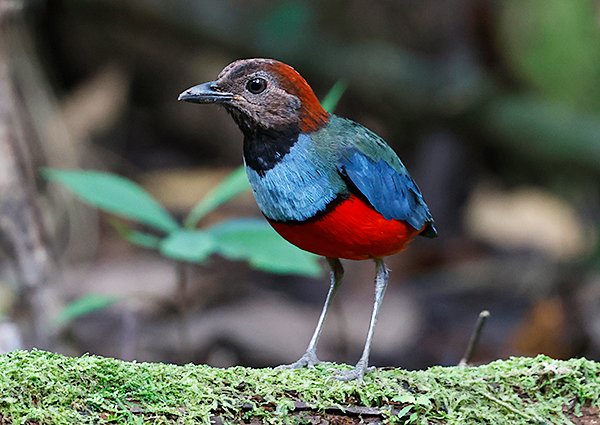
It was approaching lunchtime but local guides were implying that it was still a good time for birding so off we went down a very muddy trail coming across a pair of Black Cicadabirds very soon after leaving. An attempt at seeing Sulawesi Dwarf Kingfisher resulted in just some calls as a bird flew away but a distraction was created immediately after when we located a small group of Black-capped Lories feeding just above us with a single Black Lory in attendance. It was very nice to see both of these attractive birds at close range. Slogging through more mud we spotted the footprints of a Cassowary but unfortunately, not the owner, but a magical moment was about to occur with another amazing bird. We heard the call of a Papuan Pitta and played a short burst in answer. Not really expecting to get more than a glimpse it was a real shock when the bird appeared really close to us and allowed me to take the sort of photos that are normally only obtained from a hide at a feeding station. Incredible! Perhaps even more incredibly an Eastern Hooded Pitta then arrived, more typically for a pitta calling from thick undergrowth but giving excellent views through binoculars nonetheless. Two pittas and two birds-of-paradise in a morning was more than had been expected on what was a recce day out to check the location’s suitability for various types of birders and there was still half a day to go here.
After piling along the muddy trail back to the village it seemed like it should be time for lunch break but apparently it would be better to have lunch while watching King Birds-of-Paradise. Ok then. By this time trudging along another muddy trail in humid conditions was tiring but a lovely Wompoo Fruit Dove was followed by a Little Shrikethrush for a couple of brief rest stops before reaching a wooden tower in the forest. It was quite a steep and slippery ladder climb to the top and certainly not suitable for everyone but from around 5-6 metres up no less than three male King Birds-of-Paradise could be seen resting. Those who decided not to climb up the ladder could see the birds from below and when they began to display the front row seats to the show were definitely up the tower but from the ground level it could be seen well enough too. A rain shower ensued giving time to have some lunch but this was disturbed by the arrival of a pair of Sulawesi Dwarf Kingfishers.
After an hour’s rest and viewing of the King Birds-of-Paradise the news was that we would walk further along the trail, ankle-deep in mud. Hardly the best news but more Birds-of-Paradise were the promised reward so off we went. it actually wasn’t too far before we arrived at what seemed like a random place in the forest but from the canopy came the sound of Lesser Bird-of-Paradise. The trees were very tall so it wasn’t so easy to spot the birds but we got quite a few good views of this spectacular bird flashing its tail around but every time the camera was ready, the bird would move so no photos despite much effort. It was a wonderful half an hour of watching yet another amazing bird though.
Incredibly at this point we were not finished, the guide had another appointment for us and another muddy walk terminated at the muddiest hide ever. Sitting down on a plastic chair, sinking into the sludge didn’t seem very appealing but all was forgotten when Magnificent Riflebird flew onto what is apparently its favourite log to call from. It is a much bigger bird than was expected and the volume of its call was unbelievable; this one was definitely turned up to eleven! The way that a green throat would flare up and catch the sunlight as the bird called was amazing but when the female arrived, wow! The dance of the Magnificent Riflebird was not only mesmerising to the female but to anyone who watches it and was a moment that made the walking through muddy trails definitely worth it.
Back at Malagafuk village it was time for a late afternoon coffee and snack break but, of course, this is also a good time for birding and the fruiting and flowering trees began to fill up with birds providing great views of Orange-bellied Fruit Dove, a very smart Golden Myna and a Large Fig Parrot all in the same tree. Higher up it was harder to get a good view of Red-flanked Lorikeet but Metallic Starling and Helmeted Friarbird were not shy. With the day drawing to a close we walked back down the boardwalk getting more views of Large Fig Parrot and adding Coconut Lorikeet to the list. A Pacific Baza perched out in the open for us but a calling Twelve-wired Bird-of-Paradise was not as obliging; that one will have to wait for the return trip. As the light was failing we reached the road where our ride was waiting so after thanking our guide we made the journey back to the hotel for a much-needed shower and then dinner to close a wonderful, but long day. So much was packed into a long day on this recce trip to see what could be achieved on a more expansive tour in the future and at least two full days will be included at Malagafuk, not only to see more birds but to see them at a more manageable pace.
Day 3, 4th November – TWA Forest – Waigeo Island
After yesterday’s long day, there was time for breakfast at the hotel before making a short drive to a patch of forest known as TWA (Taman Wisata Alam (Nature Tourism Park in English)) just outside of Sorong. The first stop was next to a viewing tower. The tower gave a nice view over the forest but few birds were visible apart from a few fly-past Red-cheeked Parrots so walking along the track seemed like a better plan. Things started off slowly but the call of Sahul Brush Cuckoo gave that bird away while a Yellow-faced Myna sat next to it. A tiny parrot came flying across the track and conveniently perched in a spot amongst the foliage where it could be a seen; a Double-eyed Fig Parrot. I got a few fairly poor photos of this one before it flew away but a noisy Rufous-bellied Kookaburra was the next distraction of the morning; the first of many over the course of the trip.
Walking further along the track attention was drawn to a small group of Cuckooshrikes. With plenty of options available it was essential to take a good look at these birds and they proved to be Boyer’s Cuckooshrike, a single male and two females, bouncing around in the foliage, gleaning for insects. As these birds flew away a Helmeted Friarbird emerged but it was the strange call of a Trumpeting Manucode that was most exciting; quickly finding this bird blasting out its call from a dead branch.
Things were already getting quite hot and another battle with a calling Yellow-billed Kingfisher was once again lost but an Olive-crowned Flowerpecker turned up to provide incredible views, below eye-level. In truth it isn’t the flashiest bird in this part of the world but one thing we have learned in birding is that a crippling view of any species is an excellent experience as this was. Sulphur-crested Cockatoo made a noisy flypast but things were already getting a bit slow until we came across a large tree by the side of the road that was full of pigeons. Taking a careful look we could see Pinon’s Imperial Pigeon, Orange-bellied Fruit Dove, Orange-fronted Fruit Dove and Pink-spotted Fruit Dove, a marvellous collection! Given that in many places doves and pigeons are very nervous it was a surprise that they hung around and allowed some nice photographs to be taken. At this point we turned around and walked back until reaching the main road but along the way there were plenty more birds including some tiny Yellow-capped Pygmy Parrots that could be approached closely and a couple of Black-browed Trillers as well as the customary Willie Wagtails. With the heat building and the birding slowing by mid-morning we drove back to the hotel to take a shower and pack to be ready for the ferry journey before having lunch.
Arriving at the harbour the boat was boarded and the staff checked the tickets and showed people to their seats. The “VIP” tickets resulted in fairly comfortable seats in an air-conditioned section that nevertheless was overcrowded due to bags and boxes of supplies being piled up near the doors but the two hour journey was bearable enough. At the small ferry terminal we were met by our next team and driven the short journey to Raflow Resort, stopping to take in a perched Moustached Treeswift. The accommodation was a very nice little resort, next to the sea and surrounded by trees that, as the sun set, attracted a good number of birds including a very impressive Hooded Butcherbird. Other species included Helmeted Friarbirds, Glossy-mantled Manucode and a pair of Claret-chested Fruit Doves. After a nice dinner some night birding was the next thing to do and with the assistance of a thermal imager a roosting Rufous-bellied Kookaburra was located before finding a spectacular Papuan Frogmouth which allowed prolonged views. Shortly after this the call of Papuan Boobook could be heard a little down the road so a short walk was followed by a scan with the thermal imager which quickly revealed the Boobook; a very successful session!
Day 4, 5th November – Waigeo Island
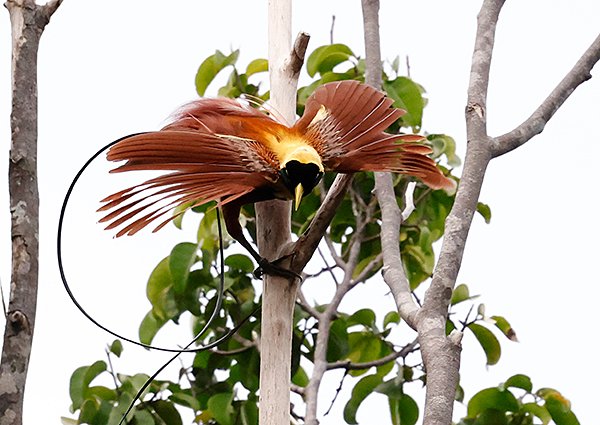
The first full day on Waigeo Island involved an early start, in the dark, in order to get to an important spot; a stakeout for Red Bird-of-Paradise. Driving along the road in the dark revealed another fantastic Papuan Frogmouth sitting on a roadside wire, allowing for some nice photographs to be taken and a little further along a Papuan Nightjar flew up off of a forest road. Arriving at the appointed spot we met a local ranger and hiked uphill, on a stepped forest trail, for around one kilometre before reaching a large tower hide. This one was very well-made with a ramp/ladder that was easily negotiated so that birders of most physical abilities could access it. With a view of the forest canopy there were several bare trees that would obviously be attractive to displaying Birds-of-Paradise so the wait began. It did not take long for the first sounds of our target bird could be heard nearby and as it got light the first performance began on one of the nearby trees with a single male calling and fluffing his tail out for five minutes or so. However, as the light began to hit the tree things got really exciting with two males repeatedly jumping around on the bare tree and trying to outdo each other as they whizzed around, rotated and hung upside down to be as impressive as possible. This craziness in the otherwise peaceful forest was exactly the sort of scene that makes travelling to this far-away part of the world worth the effort.
After the conclusion to this wonderful show we had yet another failed attempt at spotting Yellow-billed Kingfisher although the spectacular Common Paradise Kingfisher was more compliant, settling in view for short periods, several times. A screen looking down into a dark area of forest provides the chance to spot Dusky Megapode foraging and luck was with us giving nice views of this dark bird in the dark leaf litter. As we descended the “staircase” there were also a few small birds, mostly high in the trees feeding on flowers but a few were low enough to see properly with the first Spotted Honeyeaters of the trip and a Ruby-throated Myzomela, with both species showing well as they took nectar. A Pygmy Longbill was also added to the bird list.
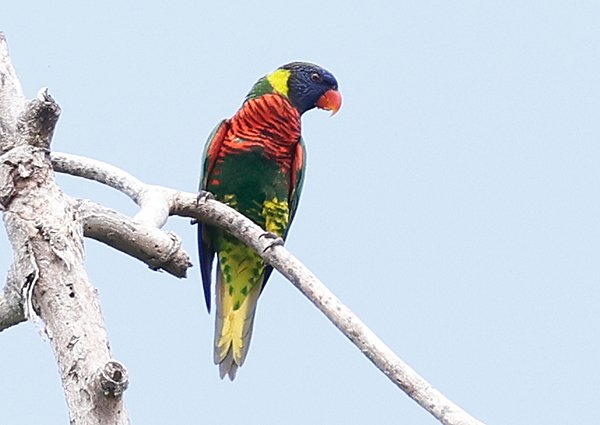
Back out on the road we continued birding with the high-pitched singing that could be heard in the forest being tracked down to its source: Green-backed Gerygone. A Brown-headed Crow flew past and a Black-capped Lory flew past while at another stop, along the road a bit, turned up a perched Little Bronze Cuckoo on top of a large tree being dwarfed by two accompanying Blyth’s Hornbills. With things already heating up and activity much-reduced we drove downhill to Airport Bay to take a look at what might be present as the tide receded.
Only a little mud was exposed here but this still attracted a gathering of waders with the expected Pacific Golden Plovers and Eurasian Whimbrel being accompanied by a Terek Sandpiper and a Grey-tailed Tattler among others. A Collared Kingfisher stood out from the crowd, perched upon a bare branch but a bit of scanning also revealed two Beach Kingfishers, a much more range-restricted species and a very welcome sighting. In roadside vegetation a male Shining Flycatcher put on a nice performance while over the airfield a Pygmy Eagle was hunting. A short drive along the road and we stopped at a large fruiting tree where, although no new species were added to the list, good views were obtained of Papuan Eclectus, Blyth’s Hornbill and Glossy-mantled Manucode while Rufous-bellied Kookaburra, White-breasted Woodswallow and colourful Coconut Lorikeets gave good photographic opportunities. After this we returned to Raflow Resort for a rest before lunch but there was still time to take in a pair of Claret-breasted Fruit Doves and a walk onto the jetty revealed plenty of Great Crested Terns and a few Common Terns.
After lunch a well-earned rest was taken before going out again in the late afternoon. We drove a full loop of the forest road through Warkesi Forest Park, taking the remainder of the afternoon to walk sections of the road before driving on to the next spot. At first it was still a bit too hot for much activity but Dollarbird allowed us to get really close before spotting a more distant Lowland Peltops, a very handsome bird indeed but a little distant; better was to come with this species. A Papuan Cicadabird flew overhead and landed in a tall tree before we spotted a juvenile White-bellied Sea Eagle perched in a bare tree. However, in a patch of moist forest that enveloped the road we were finally to have a magic moment with what had proven to be an elusive species. Having, yet again, heard the call of a Yellow-billed Kingfisher we used a little call playback and this time the bird flew in and landed in a small tree close by. It was still quite difficult to spot but once we had connected with it we were treated to prolonged views and even some photos.
As the sun began to dip birds came out to sit on exposed perches with Pinon’s Imperial Pigeons, Bluth’s Hornbills and a superb experience with a Lowland Peltops perched very close to the roadside and oblivious to us while it was hunting for insects. This was one of those birds that whilst not one of the most talked-about birds was, at the same time, one that had stood out as one that was much-desired before the trip began so it was great to have such excellent views of it. There was one more stop along the way, before making a visit to a convenience store for some cold drinks, where what we initially assumed to be a distant hornbill turned out to be a Palm Cockatoo which flew right overhead providing a wonderful end to the day.
Day 5, 6th November – Waigeo Island
Today was another early start for another very special bird; Wilson’s Bird-of-Paradise. Our drive took us to a location close to the main town where we were told the normal access route was closed and that we had to wade across a stream and scramble up a bank before walking along a fairly flat trail to a hide. Here we sat waiting for the first light and the bird. And we waited, and waited, and waited. A Northern Fantail turned up but eventually we had to admit defeat and that no Bird-of-Paradise was coming. A little disappointing but exactly what this recce trip was about. It turned out that there had not been any sightings for a few weeks and that the tour would need to run at a different time to include this priority species. Phoning around the guardians of other hides confirmed this from all other stakeouts too and it turned out that even with the road closure there was a much simpler, if slightly longer, route to the hide; valuable information for future visits.
Walking back out there were a few birds along the way including a close Brown Oriole, a singing Olive Flyrobin and a couple of Tawny-breasted Honeyeaters feeding on flowering trees. A Frilled Monarch join a Ruby-throated Myzomela and there were more of the birds that were becoming very familiar like Rufous-bellied Kookaburra and Papuan Eclectus, but overall it was a fairly deflating morning so we decided to go somewhere different to look for something else.
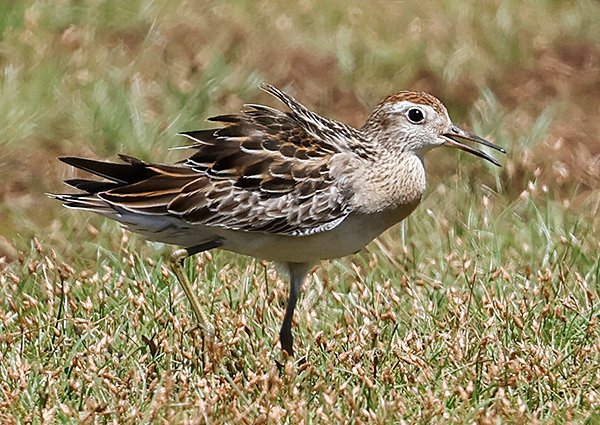
Having identified the location on eBird we went to a local sports field where, in the adjacent tree-lined pond, we found a small group of Spotted Whistling Ducks which did not seem too bothered about our presence, although we were very quiet and moved slowly to get into position to see them. In the trees nearby we added Singing Starling while overhead several Long-tailed Honey-buzzards were circling alongside a few Brahminy Kites and a White-bellied Sea Eagle. It was, by now, very hot indeed but a glimpse across the football field revealed that there were a few waders that were worth inspection. Several Pacific Golden Plovers were easily identified, and exactly the type of bird that occupies open spaces like this, but a couple of smaller birds required closer examination and, consequently, turned out to be Sharp-tailed Sandpipers. In the blast of overhead heat some good photographs of this smart little shorebird were obtained; quite satisfying.
A quick stop at Airport Bay didn’t reveal much more than on the previous day, although five Red-necked Stints were new, before retreating to Raflow Resort for lunch and a break from the heat until the late afternoon.
For the afternoon session we decided to go birding along the coastal road from Raflow Resort. This resulted in a lot of nice views of many of the birds previously seen but also a few nice new ones too. Fruiting trees were attracting plenty of doves and pigeons including a flock of over thirty Pied Imperial Pigeons which are always nice birds with their white plumage contrasting against the dark green foliage of the forest. However, the most exciting of these birds were three Spice Imperial Pigeons in a low fruit tree in the garden of another resort. These birds are quite outstanding with their rhinoceros-like protuberance on the base of their bills and another of those birds that stands out when flicking through the pages of the field guide for Papua.
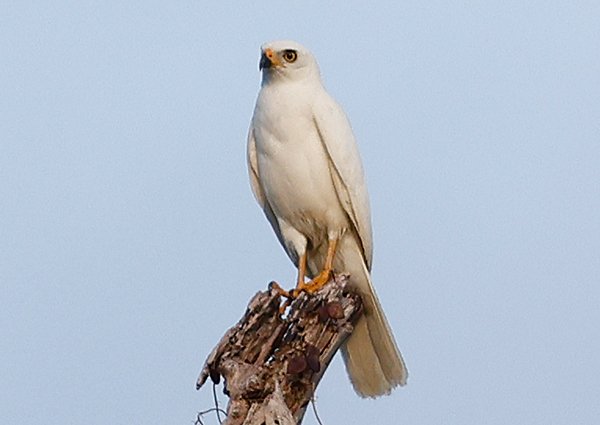
A Pacific Reef Egret on a jetty was a nice addition as was an Osprey and when a Sulphur-crested Cockatoo landed on a distant tree it looked like a decent photo opportunity. That it was, but not of a cockatoo, at closer examination this white bird turned out to be the rare white morph of Variable Goshawk. Getting closer the views of this remarkable bird were far improved and the photos turned out quite well. Another Palm Cockatoo was great and a fly-past Great-billed Parrot was also good but as the sun dipped below the trees we headed back to Raflow Resort where a Beach Kingfisher was waiting for us before another nice dinner of fresh, grilled fish.
Day 6, 7th November – Waigeo Island
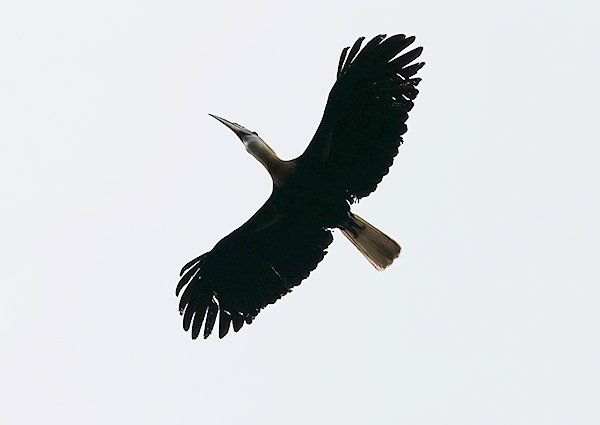
Rather than sit in another hide where a Bird-of-Paradise probably would not arrive we decided to check out what type of birding experience being out on the Warkesi Forest Park road in the early morning would be presented. It was actually a little slow until the sunshine started to hit the trees, being in shade for quite some time after first light. Finding a giant fruiting tree there was an amazing number of Blyth’s Hornbills feeding within it foliage. At least thirty of these magnificent birds were counted as they flew in and out creating a really impressive scene. In roadside trees we tracked down a Wompoo Fruit Dove and a female Superb Fruit Dove and saw another Lowland Peltops in the distance. As we were walking along the road the raucous squawking of Channel-billed Cuckoo rooted us to the spot as two of these incredible birds flew past us calling; a magnificent sight.
It seemed like a good time to walk along a forest trail to look for different types of birds and things worked out pretty well, finding several flocks of small birds feeding together. Frilled Monarchs and Northern Fantails were obvious and plentiful alongside Spotted Honeyeater and Ruby-throated Myzomela but attention was drawn straight to the shining yellow of Yellow-breasted Boatbill. This was one of the most-wanted of the smaller birds that are regularly seen in this area and it was quickly followed by a male Black Berrypecker. The fast-moving activity of these types of flocks makes it much harder to spot individual birds than the larger birds we had been seeing perched out in the open from the road, but the effort was really rewarded when a beautiful Golden Monarch put in an appearance. This small bird activity lasted a good amount of time and was topped off with a Long-billed Honeyeater.
Back on the road it was hot and bird activity had decreased but patience paid off as we located a Raja Ampat Pitohui, its grey head announcing its arrival as it fed in vines. Being an endemic to this small region it was a very pleasing bird to see before returning to Raflow Resort for lunch.
For the afternoon we returned to the same area, if this time a little tired from the collective effort over the course of the trip and it seemed that the birds were a little weary also with low levels of activity. Oppressive cloud had been building up and rain looked likely and in these conditions things are often quiet. There were plenty of the commoner birds around, in fact every papaya tree seemed to have a flock of Papuan Eclectus Parrots attracted to it and a close Pygmy Eagle in flight was nice but it was decided to cut things short and go back for a shower and dinner. However, once it had become dark the thermal imager came into its own again tracking down a roosting Red Bird-of-Paradise and a Mimic Honeyeater this way.
Day 7, 8th November – Waigeo Island – Sorong
The plan was to use the final morning on Waigeo Island for birding close to the accommodation and to indulge in photography rather than hunt for new species other than one: Marbled Frogmouth. Getting out before first light saw only a few steps taken before a downpour! Waiting until this stopped there would only be a short time of darkness remaining to locate this species so as soon as the rain ceased the hunt started. Having arrived at a suitable patch of habitat within the resort grounds a bit of call playback was used and a Marbled Frogmouth immediately flew in and rested on a wire! Point-blank views were obtained and as I fumbled for the camera the heavens opened again and the bird flew back into the forest and the resort restaurant provided a refuge from the rain while eating breakfast. This was possibly the shortest nocturnal birding session ever, but still with a positive result.
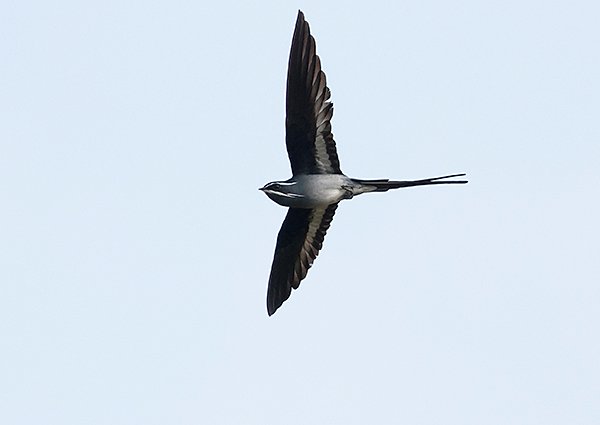
The rain did stop as it was getting light so birding could resume and with good numbers of birds. A Grey-tailed Tattler sat on the jetty while Lesser Frigatebirds flew overhead and a Beach Kingfisher perched in a nearby tree. Along the road a group of Moustached Treeswifts put on a wonderful display and allowed for some great photos. Shining Flycatcher did the same thing followed by Coconut Lorikeets, Rufous-bellied Kookaburra, Glossy-mantled Manucode and a Red Bird-of-Paradise, most likely the one found roosting at night. A Dusky Megapode was found on the edge of the resort property as it scratched around in some bare soil in the forest. In fact there were a lot of birds, all of which had already been seen on the trip, and it was good to get such good views of so many of them. Eventually heat and tiredness meant the end of birding and it was time to get ready to take the boat back to the mainland after lunch.
On the two hour trip back to Sorong the front outdoor deck was accessed with some clambering over bags and people. It wasn’t easy to spot birds but several Great Crested Terns and Lesser Frigatebirds were seen but pride of place went to a Streaked Shearwater cruising in front of the boat for a while which was nice having got poor views of a flock of these birds resting on the water.
On arrival at Sorong ferry terminal it was just a case of a short taxi ride to the hotel, a refreshing shower and a nice dinner before the prospect of the journey home on the subsequent day.
Bird of the Trip
- Magnificent Riflebird
- King Bird-of-Paradise
- Papuan Pitta
- Red Bird-of-Paradise
- Frilled Monarch
It is quite obvious from this list that visual impact and overall experience was an overwhelming factor in choosing these birds for the top five birds of the trip. All of the above birds were seen extremely well and most put on very memorable displays that leave an indelible impression on the mind. All of the above were superb and could easily have been voted as number one on most other birding tours.
Sorong Mangroves: Close to the town of Sorong are several roads/tracks that access fairly large areas of coastal mangroves, including one area with a mangrove boardwalk trail. Patches of coastal scrub and coconut plantations add some diversity to this area and a few viewpoints provide access to the sea. Key species include Little Kingfisher and Emperor Fairywren.
Malagafuk: A small, traditional village deep within mature forest accessible via a 3.5 kilometre long boardwalk which provides top-quality birding. Local vilagers provide guiding for a set fee and from the village muddy trails take birders to key areas for some of the region’s most exciting birds. The number of high-quality species here is very high with highlights including King Bird-of-Paradise.
TWA Forest: The closest area of forest to the town of Sorong a dirt track provides access to several kilometres of habitat where a good selection of West Papua’s commoner forest species can be seen; a good site for a variety of fruit doves and pigeons in the early morning.
Raflow Resort: A very pleasant, but simple, small and locally-run resort on the coastline and surrounded by forest patches and mature gardens/plantations. Bird abundance here is high in the early morning and late afternoon and a good location for night birding.
Warkesi Forest Park: Part of an extensive area of forest and hosting a full suite of the avifauna of the island interior. Accessible via a very quiet forest road, several dirt tracks and some forest trails, this area is the prime focus of birding on the island where there are also several stakeouts for some of the most sought-after birds including Red Bird-of-Paradise.
Airport Bay: A small coastal bay with a very lightly used airstrip on the landward side of the coastline, adjoining a mangrove-lined channel and forest patches. At low tide a small area of mud flats are exposed with mangrove clusters and concrete structures that provide a roosting area for shorebirds at high tide. A key location for Beach Kingfisher.
The sites at which each species were seen are coded as below;
- Sorong Mangroves: SM
- Malagafuk: M
- TWA Forest: TWA
- Raflow Resort: RR
- Warkesi Forest Park: WFP
- Airport Bay: AB
- Sorong/Waigeo Ferry: SWF
During this West Papua birding tour 136 bird species were seen.
SPECIES
ANSERIFORMES: Anatidae
Spotted Whistling Duck
GALLIFORMES: Megapodiidae
Dusky (Scubfowl) Megapode
CAPRIMULGIFORMES: Caprimulgidae
Papuan Nightjar
CAPRIMULGIFORMES: Podargidae
Marbled Forgmouth
Papuan Frogmouth
APODIFORMES: Hemiprocnidae
Moustached Treeswift
APODIFORMES: Apodidae
Glossy Swiftlet
Uniform Swiftlet
CUCULIFORMES: Cuculidae
Channel-billed Cuckoo
Little Bronze Cuckoo
Sahul Brush Cuckoo
Oriental Cuckoo
COLUMBIFORMES: Columbidae
Feral Pigeon
Sultan’s Cuckoo Dove
Black-billed (Bar-tailed) Cuckoo Dove
Spice Imperial Pigeon
Pinon’s Imperial Pigeon
Pied Imperial Pigeon
Wompoo Fruit Dove
Superb Fruit Dove
Orange-fronted Fruit Dove
Pink-spotted Fruit Dove
Orange-bellied Fruit Dove
Claret-breasted Fruit Dove
GRUIFORMES: Rallidae
Barred Rail
CHARADRIIFORMES: Charadriidae
Pacific Golden Plover
Siberian Sand Plover
Eurasian Whimbrel
Sharp-tailed Sandpiper
Red-necked Stint
Terek Sandpiper
Common Sandpiper
Grey-tailed Tattler
Common Greenshank
CHARADRIIFORMES: Laridae
Whiskered Tern
Common Tern
Greater Crested Tern
PROCELLARIIFORMES: Procellariidae
Streaked Shearwater
SULIFORMES: Fregatidae
Lesser Frigatebird
PELECANIFORMES: Ardeidae
Little Heron
Eastern Cattle Egret
Great Egret
Plumed Egret
Little Egret
Pacific Reef Egret
ACCIPITRIFORMES: Pandionidae
Osprey
ACCIPITRIFORMES: Accipitridae
Pacific Baza
Long-tailed Honey-buzzard
Pygmy Eagle
Variable Goshawk
White-bellied Sea Eagle
Brahminy Kite
STRIGIFORMES: Strigidae
Papuan Boobook
BUCEROTIFORMES: Bucerotidae
Blyth’s Hornbill
CORACIIFORMES: Coraciidae
Dollarbird
CORACIIFORMES: Alceniniidae
Common Paradise Kingfisher
Rufous-bellied Kookaburra
Collared Kingfisher
Beach Kingfisher
Yellow-billed Kingfisher
Papuan Dwarf Kingfisher
Little Kingfisher
PSITTACIFORMES: Psittaculidae
Palm Cockatoo
Sulphur-crested Sulphur
Yellow-capped Pygmy Parrot
Moloccun King Parrot
Papuan Eclectus
Red-cheeked Parrot
Great-billed Parrot
Red-flanked Lorikeet
Black-capped Lory
Black Lory
Coconut Lorikeet
Large Fig Parrot
Double-eyed Fig Parrot
PASSERIFORMES: Pittidae
Papuan Pitta
Eastern Hooded Pitta
PASSERIFORMES: Maluridae
Emperor Fairywren
PASSERIFORMES: Meliphagidae
Brown-backed Honeyeater
Long-billed Honeyeater
Streak-headed Honeyeater
Ruby-throated Myzomela
Papuan Black Myzomela
Helmeted Friarbird
Spotted Honeyeater
Tawny-breasted Honeyeater
Puff-backed Honeyeater
Mimic Honeyeater
PASSERIFORMES: Acanthizidae
Green-backed Gerygone
Large-billed Gerygone
PASSERIFORMES: Pomatostomiidae
Papuan Babbler
PASSERIFORMES: Melanocharitidae
Black Berrypecker
Yellow-bellied Longbill
Pygmy Longbill
PASSERIFORMES: Machaerirhynchidae
Yellow-breasted Boatbill
PASSERIFORMES: Artamidae
White-breasted Woodswallow
Lowland Peltops
Hooded Butcherbird
PASSERIFORMES: Campephagidae
Boyer’s Cuckooshrike
White-bellied Cuckooshrike
Papuan Cicadabird
Black Cicadabird
Black-browed Triller
PASSERIFORMES: Pachycephalidae
Rusty Pitohui
Little (Arafura) Shrikethrush
Raja Ampat Pitohui
PASSERIFORMES: Oriolidae
Brown Oriole
PASSERIFORMES: Dicruridae
Spangled Drongo
PASSERIFORMES: Rhipiduridae
Northern Fantail
Willie Wagtail
PASSERFIFORMES: Monarchidae
Golden Monarch
Frilled Monarch
Shining Flycatcher
PASSERIFORMES: Corvidae
Brown-headed Crow
Grey Crow
Torresian Crow
PASSERIFORMES: Paradisaeidae
Trumpet Manucode
Glossy-mantled Manucode
Magnificent Riflebird
Magnificent Bird-of-Paradise
King Bird-of-Paradise
Lesser Bird-of-Paradsise
Red Bird-of-Paradise
PASSERIFORMES: Petridicidae
Olive Flyrobin
Black-sided Robin
PASSERIFORMES: Pycnonotidae
Yellow-vented Bulbul
PASSERIFORMES: Hirundinidae
Pacific Swallow
PASSERIFORMES: Sturnidae
Metallic Starling
Singing Starling
Yellow-faced Myna
Golden Myna
PASSERIFORMES: Dicaeidae
Olive-crowned Flowerpecker
PASSERIFORMES: Nectariniidae
Black Sunbird
Sahul Sunbird
PASSERIFORMES: Passeridae
Eurasian Tree Sparrow
PASSERIFORMES: Estrilididae
Scaly-breasted Munia
PASSERIFORMES: Motacillidae
Eastern Yellow Wagtail
SCIENTIFIC NAME
ANSERIFORMES: Anatidae
Dendroygna puttata
GALLIFORMES: Megapodiidae
Megapodius freycinet
CAPRIMULGIFORMES: Caprimulgidae
Eurostopodus papuensis
CAPRIMULGIFORMES: Podargidae
Podargus ocellatus
Podargus papuensis
APODIFORMES: Hemiprocnidae
Hemiprocne mystacea
APODIFORMES: Apodidae
Collocalia esculenta
Aerodramus vanikorensis
CUCULIFORMES: Cuculidae
Scythrops novaehollandiae
Chalcites minutillus
Cacomantis variolosus
Cuculus optatus
COLUMBIFORMES: Columbidae
Columba livia
Macropygia doreya
Macropygia nigrirostris
Ducula myristicivora
Ducula pinon
Ducula bicolor
Megaloprepia magnifica
Ptilinopus superbus
Ptilinopus aurantifrons
Ptilinopus perlatus
Ptilonopus iozonus
Ptilonopus viridis
GRUIFORMES: Rallidae
Gallirallus torquatus
CHARADRIIFORMES: Charadriidae
Pluvialis fulva
Anarhynchus mongolus
Numenius phaeopus
Calidris acuminata
Calidris ruficollis
Xenus cinereus
Actitis hypoleucos
Tringa brevipes
Tringa nebularia
CHARADRIIFORMES: Laridae
Chlidonias hybrida
Sterna hirundo
Thalasseus bergii
PROCELLARIIFORMES: Procellariidae
Calonectris leucomelas
SULIFORMES: Fregatidae
Fregata ariel
PELECANIFORMES: Ardeidae
Butorides atricapilla
Ardea coromanda
Ardea modesta (alba)
Ardea plumifera
Ardea garzetta
Egretta sacra
ACCIPITRIFORMES: Pandionidae
Pandion cristatus
ACCIPITRIFORMES: Accipitridae
Aviceda subcristata
Henicopernis longicauda
Hieraaetus weiskei
Tachyspiza hiogaster
Ichthyophaga leucogaster
Haliastur indus
STRIGIFORMES: Strigidae
Ninox theomacha
BUCEROTIFORMES: Bucerotidae
Rhyticeros plicatus
CORACIIFORMES: Coraciidae
Eurystomus orientalis
CORACIIFORMES: Alceniniidae
Tanysiptera galatea
Dacelo gaudichaud
Todiramphus chloris
Todiramphus saurophagus
Syma torotoro
Ceyx solitarius
Ceyx pusillus
PSITTACIFORMES: Psittaculidae
Probosciger aterrimus
Cacatua galerita
Micropsitta keiensis
Alisterus amboinensis
Eclectus polychloruos
Geoffroyus geoffroyi
Tanygnathus megalorynchus
Hypocharmosyna placentis
Lorius lory
Chalcopsitta attra
Trichoglossus haematodus
Cyclopsitta desmarestii
Cyclopsitta diopthalma
PASSERIFORMES: Pittidae
Erythropitta macklotii
Pitta novaeguineae
PASSERIFORMES: Maluridae
Malurus cyanocphalus
PASSERIFORMES: Meliphagidae
Ramsayornis modestus
Melilestes megarhynchus
Pycnopygius stictocephalus
Myzomela eques
Myzomela nigrita
Philemon buceroides
Xanthotis polygrammus
Xanthotis flaviventer
Meliphaga aruensis
Meliphaga analoga
PASSERIFORMES: Acanthizidae
Gerygone chloronata
Gerygone magnirostris
PASSERIFORMES: Pomatostomiidae
Garritornis isidorei
PASSERIFORMES: Melanocharitidae
Melanocharis nigra
Toxorhamphus novaeguineae
Ordistoma pygmaeum
PASSERIFORMES: Machaerirhynchidae
Maechaerirhynchus flaviventer
PASSERIFORMES: Artamidae
Artamus leucorynchus
Peltops blainvillii
Cracticus cassicus
PASSERIFORMES: Campephagidae
Coracina boyeri
Coracina papuensis
Edolisoma incertum
Edolisoma melas
Lalage atrovirens
PASSERIFORMES: Pachycephalidae
Pseudorectes ferrugineus
Colluricincla megarhyncha
Pitohui cerviniventris
PASSERIFORMES: Oriolidae
Oriolus szalayi
PASSERIFORMES: Dicruridae
Dicrurus bracteatus
PASSERIFORMES: Rhipiduridae
Rhipidura rufiventris
Rhipidura leucophrys
PASSERFIFORMES: Monarchidae
Carterornis chrysomela
Arses telescopthalmus
Myiagra alecto
PASSERIFORMES: Corvidae
Corvus fuscicapillus
Corvus tristis
Corvus orru
PASSERIFORMES: Paradisaeidae
Phonygammus keraudrenii
Manucodia ater
Ptiloris magnificus
Diphyllodes magnificus
Cicinnurus regius
Paradisaea minor
Paradisaea rubra
PASSERIFORMES: Petridicidae
Kempiella flavovirescens
Poecilodryas hypoleuca
PASSERIFORMES: Pycnonotidae
Pycnonotus goiavier
PASSERIFORMES: Hirundinidae
Hirundo javanica
PASSERIFORMES: Sturnidae
Aplonis metallica
Aplonis cantoroides
Mino dumontii
Mino anais
PASSERIFORMES: Dicaeidae
Dicaeum pectorale
PASSERIFORMES: Nectariniidae
Leptocoma aspasia
Cinnyris jugularis
PASSERIFORMES: Passeridae
Passer montanus
PASSERIFORMES: Estrilididae
Lonchura punctulata
PASSERIFORMES: Motacillidae
Motacilla tschutschensis
SITES SEEN
ANSERIFORMES: Anatidae
WFP
GALLIFORMES: Megapodiidae
WFP
CAPRIMULGIFORMES: Caprimulgidae
WFP
CAPRIMULGIFORMES: Podargidae
RR
RR, WFP
APODIFORMES: Hemiprocnidae
RR, AB
APODIFORMES: Apodidae
M, RR, WFP
SM, TWA, WFP, RR
CUCULIFORMES: Cuculidae
WFP
WFP
TWA
M
COLUMBIFORMES: Columbidae
Various locations
M
WFP
RR
TWA, M, RR, WFP
RR, WFP
M
WFP
TWA, WFP
TWA
TWA, M, RR, WFP
RR, WFP
GRUIFORMES: Rallidae
SM
CHARADRIIFORMES: Charadriidae
AB, SM, WFP
AB
RR, AB
WFP
AB
AB
SM, AB, RR
AB, RR
AB
CHARADRIIFORMES: Laridae
SWF
RR
RR, SWF
PROCELLARIIFORMES: Procellariidae
SWF
SULIFORMES: Fregatidae
RR, WFP, SWF
PELECANIFORMES: Ardeidae
AB, RR
SM
SM
WFP
SM, RR, AB
RR
ACCIPITRIFORMES: Pandionidae
RR
ACCIPITRIFORMES: Accipitridae
SM, M
SM, WFP
WFP, AB
RR
WFP
AB, WFP
STRIGIFORMES: Strigidae
RR
BUCEROTIFORMES: Bucerotidae
TWA, M, WFP, RR
CORACIIFORMES: Coraciidae
WFP
CORACIIFORMES: Alceniniidae
WFP
TWA, RR, WFP, AB
RR, AB
AB, RR
WFP
M
SM
PSITTACIFORMES: Psittaculidae
RR, WFP
M, TWA, WFP, RR
TWA
WFP
TWA, M, RR, WFP, AB
TWA, RR, WFP
RR
M
M, WFP
M
M, WFP, RR
M
TWA
PASSERIFORMES: Pittidae
M
M
PASSERIFORMES: Maluridae
SM
PASSERIFORMES: Meliphagidae
SM
WFP
TWA
WFP
TWA
M, RR, WFP
WFP
WFP
M, WFP
SM, WFP, RR
PASSERIFORMES: Acanthizidae
WFP
SM
PASSERIFORMES: Pomatostomiidae
M
PASSERIFORMES: Melanocharitidae
WFP
WFP
WFP
PASSERIFORMES: Machaerirhynchidae
WFP
PASSERIFORMES: Artamidae
SM, WFP, RR
WFP
RR
PASSERIFORMES: Campephagidae
TWA
SM
WFP
M
TWA
PASSERIFORMES: Pachycephalidae
SM
M
WFP
PASSERIFORMES: Oriolidae
M, TWA, WFP
PASSERIFORMES: Dicruridae
M, TWA, RR, WFP
PASSERIFORMES: Rhipiduridae
WFP
SM, TWA, RR, WFP, AB
PASSERFIFORMES: Monarchidae
WFP
M, WFP
SM, AB, RR, WFP
PASSERIFORMES: Corvidae
WFP
M
SM, AB, RR
PASSERIFORMES: Paradisaeidae
TWA
M, RR, WFP
M
M
M
M
WFP, RR
PASSERIFORMES: Petridicidae
M, WFP
M
PASSERIFORMES: Pycnonotidae
SM
PASSERIFORMES: Hirundinidae
SM, RR, AB, WFP
PASSERIFORMES: Sturnidae
SM, M
WFP
M, RR, WFP
M
PASSERIFORMES: Dicaeidae
TWA, WFP, RR
PASSERIFORMES: Nectariniidae
WFP, RR
SM, M, WFP, RR
PASSERIFORMES: Passeridae
SM
PASSERIFORMES: Estrilididae
SM
PASSERIFORMES: Motacillidae
SM
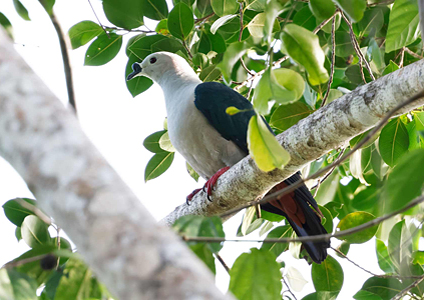
Spice Imperial Pigeon 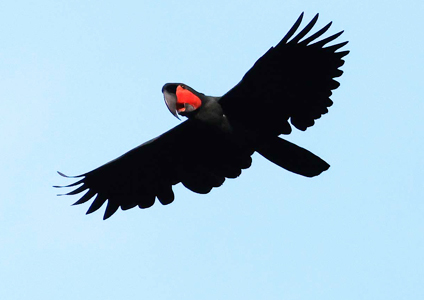
Palm Cockatoo 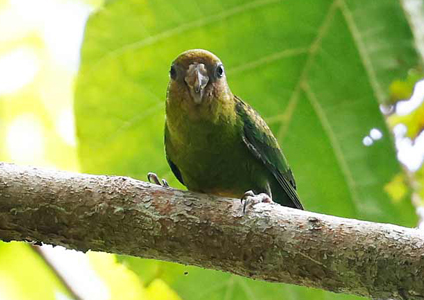
Yellow-capped Pygmy Parrot 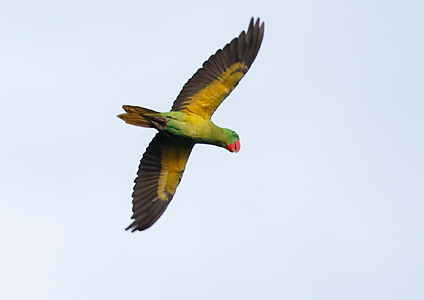
Great-billed Parrot